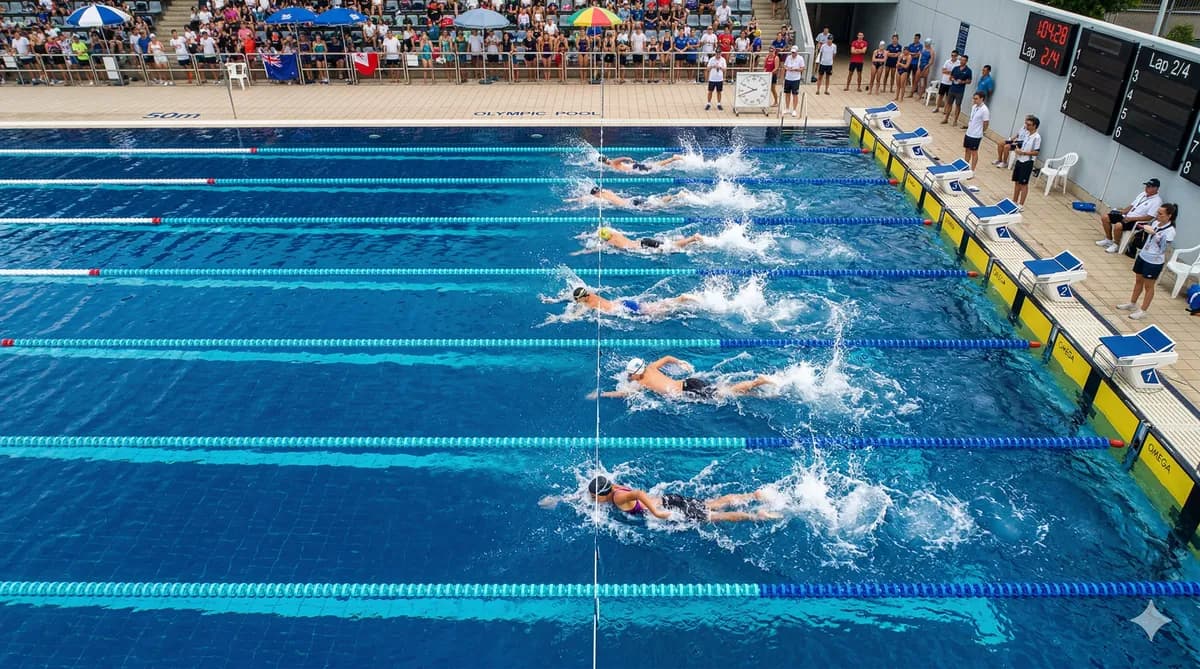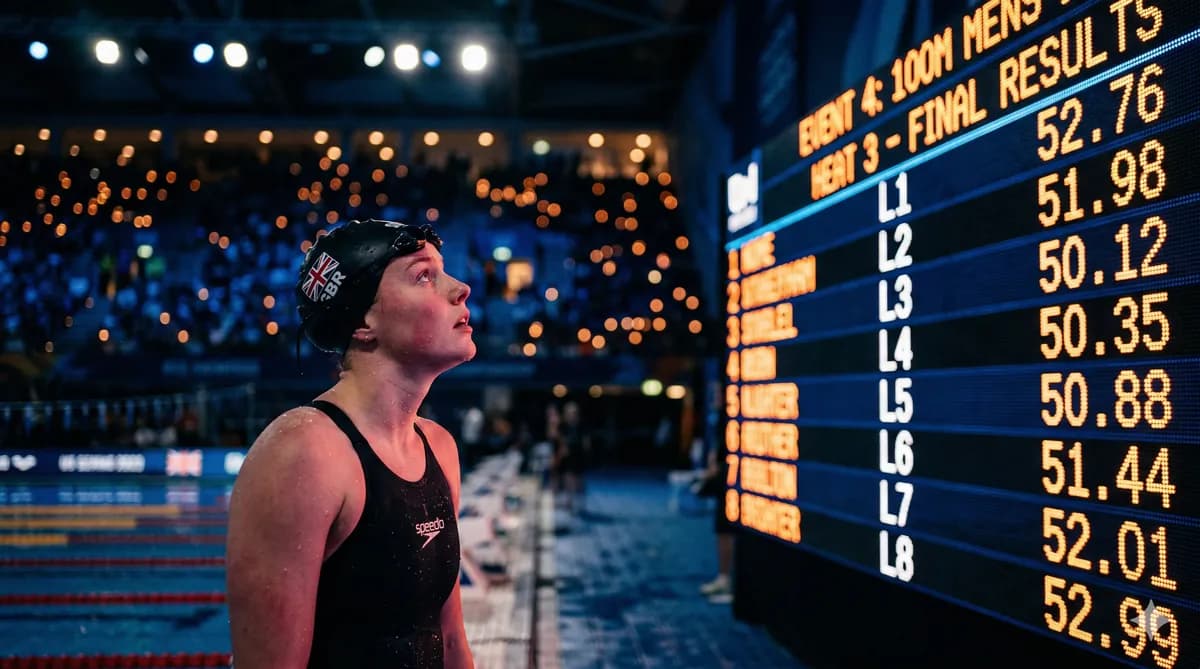
Quick answer
The 2026 Speedo Junior National Championships ran August 3 to 7 in Irvine, California (long course). The next 18-and-under national meet is Speedo Winter Junior Championships, typically early December in two sites (East and West), short course yards. Sign in to Gophin (free) to see whether a swimmer is inside the published Junior National cuts.
The first time I watched a national-level meet on a stream, Rafa was eight. She did not say much. She just kept asking why one swimmer's hand hit the wall a tenth ahead of the other and how the announcer knew. We pulled up the heat sheet on my phone and tried to follow along. By the third final she was hooked.
That is what national meets do. They take a sport that age groupers spend years training for in quiet pools and put it on a stage where every detail matters. The 2026 Speedo Junior National Championships was that stage this summer. Winter Juniors is next.
Here is what happened in Irvine, how the cuts work, and how to check whether your swimmer is on pace for the next cycle.
When and Where
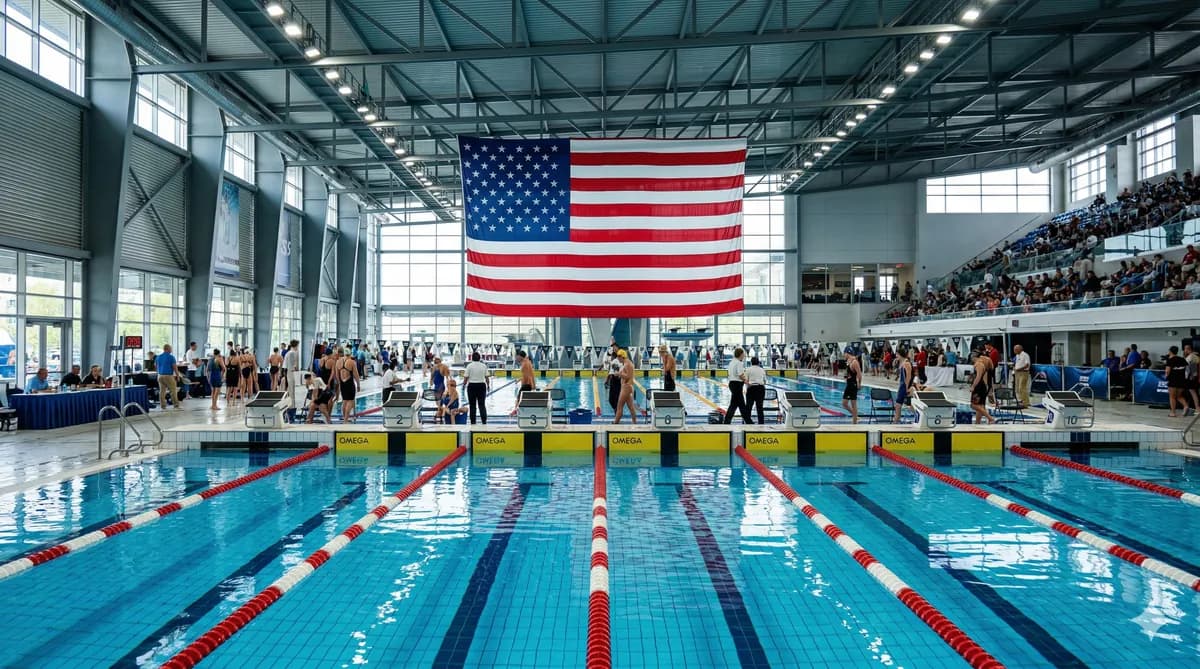
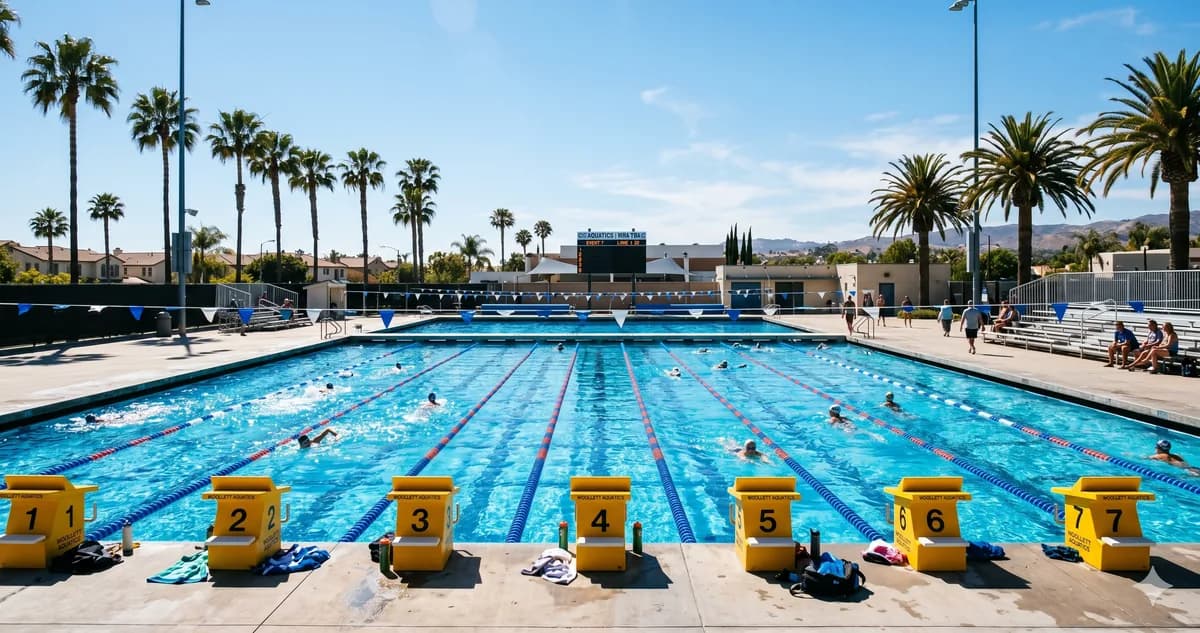
Summer 2026 (completed): August 3 to 7, 2026, William Woollett Jr. Aquatic Center, Irvine, California. Long course metres (50m), outdoor. Heats in the morning, finals in the evening.
Next up, Winter Juniors 2026: Speedo Winter Junior Championships, typically early December, short course yards, two sites (East and West). Confirm dates and sites on usaswimming.org/events before you travel. Cuts are published in SCY and LCM so a summer long-course swim can still qualify a swimmer for the winter meet.
The Woollett Aquatic Center is one of the busiest competition pools on the West Coast and has hosted USA Swimming national-level meets for years. Outdoor long course in early August in Southern California means warm decks, late sunsets, and finals sessions that run under stadium lights.
For families flying in, Irvine sits between Los Angeles and San Diego, a short drive from John Wayne Airport (SNA) or about an hour from LAX with traffic. Most teams book hotels close to the venue weeks in advance.
What the Meet Is For
The Speedo Junior National Championships is the top long course summer meet in the United States for swimmers 18 and under. It is the proving ground for the next wave of American swimmers, the meet where many of today's senior national team members first put their name on the map.
Swimmers must hit a published qualifying time standard to enter, in either long course metres or short course yards (converted). The meet runs all standard Olympic events plus the 50s of stroke (50 backstroke, 50 breaststroke, 50 butterfly, 50 freestyle), the 800 freestyle, the 1500 freestyle, and relays.
A few things make Junior Nationals different from a typical sectional or regional meet:
- The field is national. Swimmers travel in from every part of the country.
- The depth is real. Even the slowest qualifying time in a final is faster than most age group records in many regions.
- College recruiters watch. NCAA coaches use Junior Nationals to evaluate the next two recruiting classes.
- It is the first national meet many senior team members ever raced.
How the Qualifying Standards Work
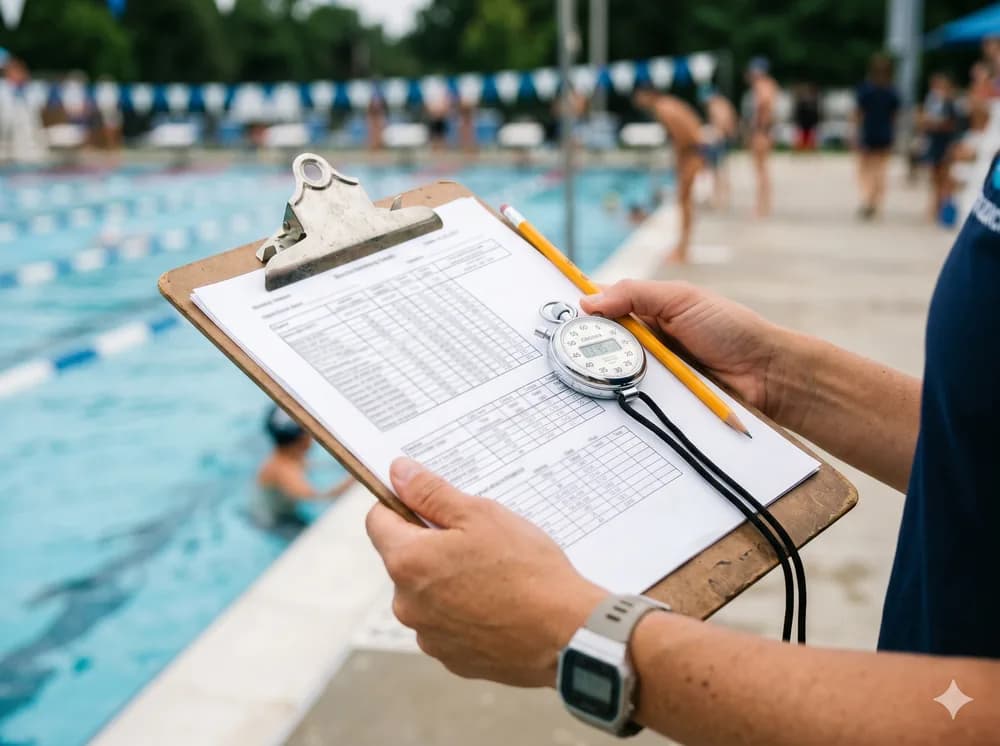
USA Swimming publishes the Junior National time standards each season. Standards are listed in both long course metres (LCM) and short course yards (SCY) so swimmers in any region can chase the cut at the meet format that suits their season.
The 2026 standards were published in advance and have been the same target all season for the swimmers entered. Cuts are tighter than Futures and Sectionals but not as tight as US Open or Senior Nationals. Roughly speaking, a Junior National time is the level a top-end age grouper can realistically chase across a focused season or two.
If you are not sure where your swimmer's current times sit relative to national standards, our USA Swimming time standards guide walks through how the AAAA, Sectional, Futures, and Junior National cuts stack up and what they mean at each age.
Five Things to Watch
Even if you do not know the names in the field, a few patterns are worth tracking through the week.
1. The 15 and 16-year-old breakthroughs. Every Junior Nationals produces at least a few swimmers in this age range who outperform their seed and crash the senior conversation. Watch the morning prelims for the unexpected drops.
2. The mid-distance freestyle depth. US age group freestyle has been deep for years. The 200, 400, 800, and 1500 free fields at Junior Nationals show what the next college recruiting classes look like in the bread-and-butter events.
3. The 50s of stroke. With 50 back, breast, and fly officially added to the Olympic program, more Junior swimmers are training the sprint event seriously. The depth and times in these races have been climbing fast season over season.
4. The IM races. The 200 and 400 individual medley reward the most well-rounded swimmers. Junior Nationals IM finals often signal which swimmers are tracking toward Olympic-level versatility.
5. The 18-year-olds in their last junior meet. Many entered swimmers will age out after this competition and move to senior-only meets. Their final swims here are often where they post lifetime bests as junior swimmers.
How to Follow Along (If You Are Not in Irvine)
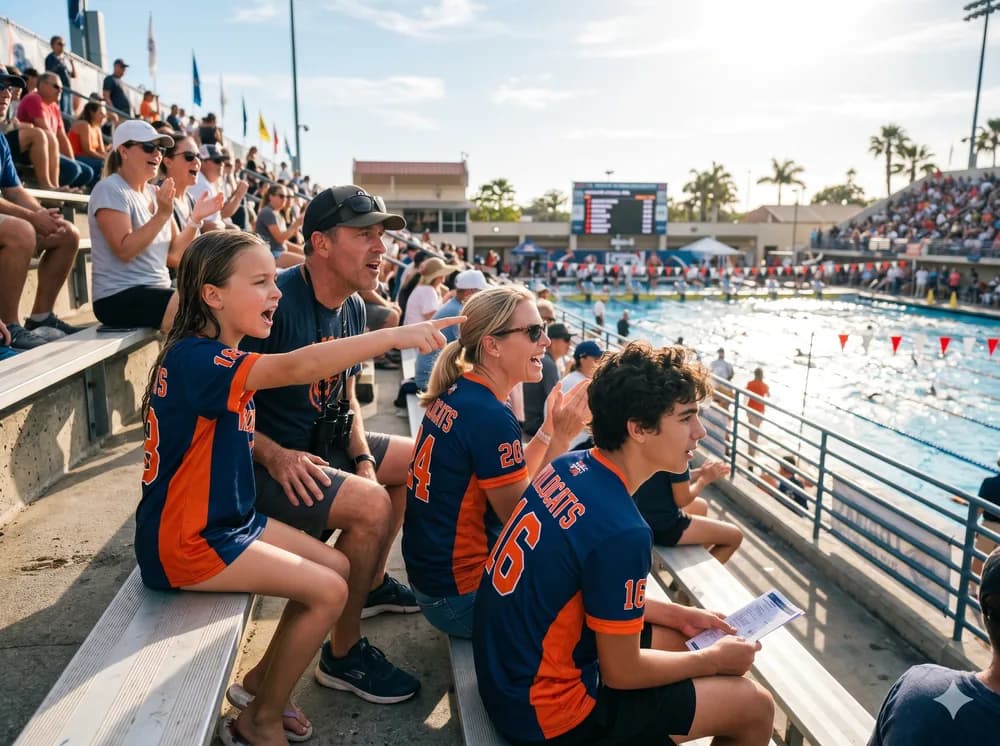
Most parents and fans will not be in the building. Here is how to keep up:
Live streaming: USA Swimming typically streams finals live via their official channels (USA Swimming Network, sometimes via partner platforms). Heat coverage varies. Check usaswimming.org closer to the event for confirmed streaming details.
Live results: Results are uploaded to the official USA Swimming meet results page in real time as races finish. Splits are usually available within minutes.
Heat sheets and start lists: The full meet program is published before the meet starts. If you want to follow a specific swimmer, find their heat and lane assignments before the session so you know exactly when to tune in.
Social media: USA Swimming and major club accounts post highlights, splits, and reactions throughout. Athlete-focused accounts often share results faster than the official feeds.
Track results in one place: Once the meet wraps, every Junior Nationals time gets uploaded to official competition databases. If you want every result automatically logged in your swimmer's profile alongside their other meets, track Junior Nationals cuts inside Gophin.
What Age Groupers Can Learn from Watching
If you have a swimmer in the 11 to 16 range watching this meet, here is what to point out:
1. The pipeline is visible. Most swimmers racing at Junior Nationals were unranked age groupers five to seven years ago. The path from local meets to nationals is real and walked by people who started exactly where your swimmer is now.
2. The standards are public. Every time on the qualifying list is achievable with the right training and consistency. They are not magic. They are time drops compounded over years.
3. Watch how they race, not just how fast. Pre-race routines, warm-up patterns, body language at the blocks, recovery between swims. There is more to learn from watching elite age group racing than just times. The basics carry over to your own swimmer's prep, from studying the psych sheet to a tight packing checklist.
4. Disappointment is normal. Many swimmers at Junior Nationals will not final. Some will swim slower than their entry time. They have trained for years and still come up short. Use it as a real conversation about how strong swimmers handle setbacks.
For more context on what the path from regional meets to nationals actually looks like, see our guide on regional to national swim progress.
Key Takeaways
The 2026 Speedo Junior National Championships was the most concentrated week of high-level age group swimming the United States produced this summer. Winter Juniors is the next national 18-and-under meet. For families and coaches, both are a chance to see the standards, the swimmers, and the pathway up close.
If you are following along:
- Summer Juniors 2026 is done (August 3 to 7, Irvine)
- Watch usaswimming.org/events for Winter Juniors dates and East/West sites
- Use the qualifying standards as a long-term reference for your own swimmer
- Sign in to Gophin (free) and compare your swimmer to the Junior National cuts
- Track results meet by meet so the long-term trend is visible
A week of racing decides a lot. Watching it teaches more.
Sources
- USA Swimming. 2026 Speedo Junior National Championships event page. Confirmed dates, venue, and meet format. usaswimming.org
- USA Swimming. 2026 Speedo Junior National Championships Time Standards (PDF). Official LCM and SCY qualifying cuts. usaswimming.org
- USA Swimming. 2026 Domestic Events schedule announcement. usaswimmingfoundation.org
- Swimming World Magazine. USA Swimming Announces 2026 Domestic Events Dates. swimmingworldmagazine.com