Quick answer
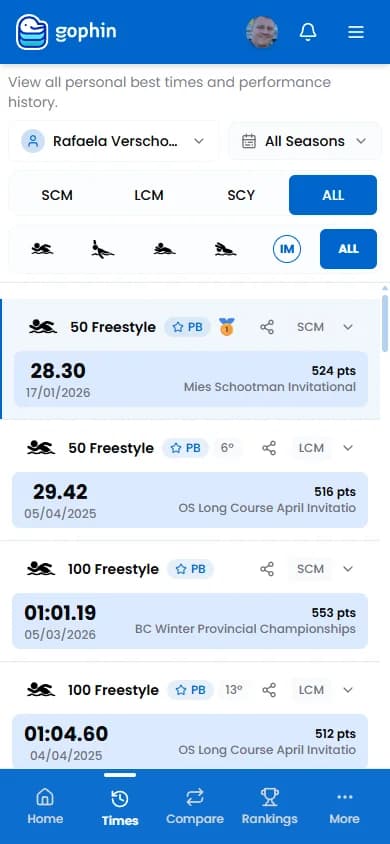
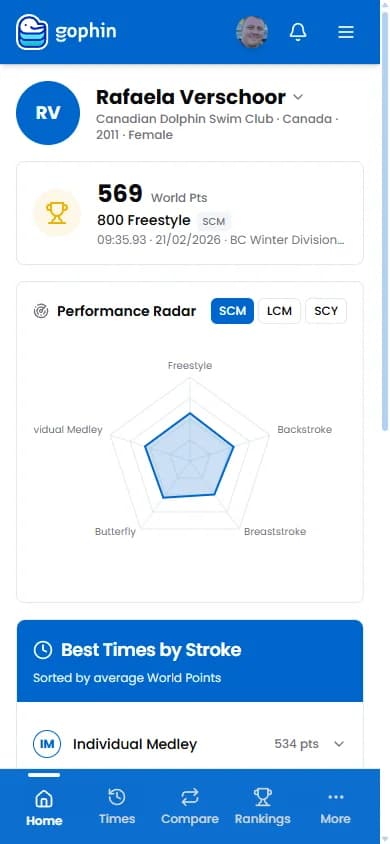
One meet is noise. Look at the same event, same pool type, across the season. Mid-season adds are common when the work is heavy. Gophin shows official race times and evolution charts. It does not show the training plan. Sign in free, no card, then talk to the coach with the picture, not a feeling.
After one bad meet last fall, I was convinced something was wrong with Rafa's training. She added time in three events. I started drafting an email to her coach. Michelle stopped me and said, "Look at the whole season, not one day." So I did, and the trend line was pointing up. That rough meet was just noise inside a strong trajectory.
She was right. And that lesson, zoom out before you react, is what season-long analysis is really about.
Performance swings are part of the sport
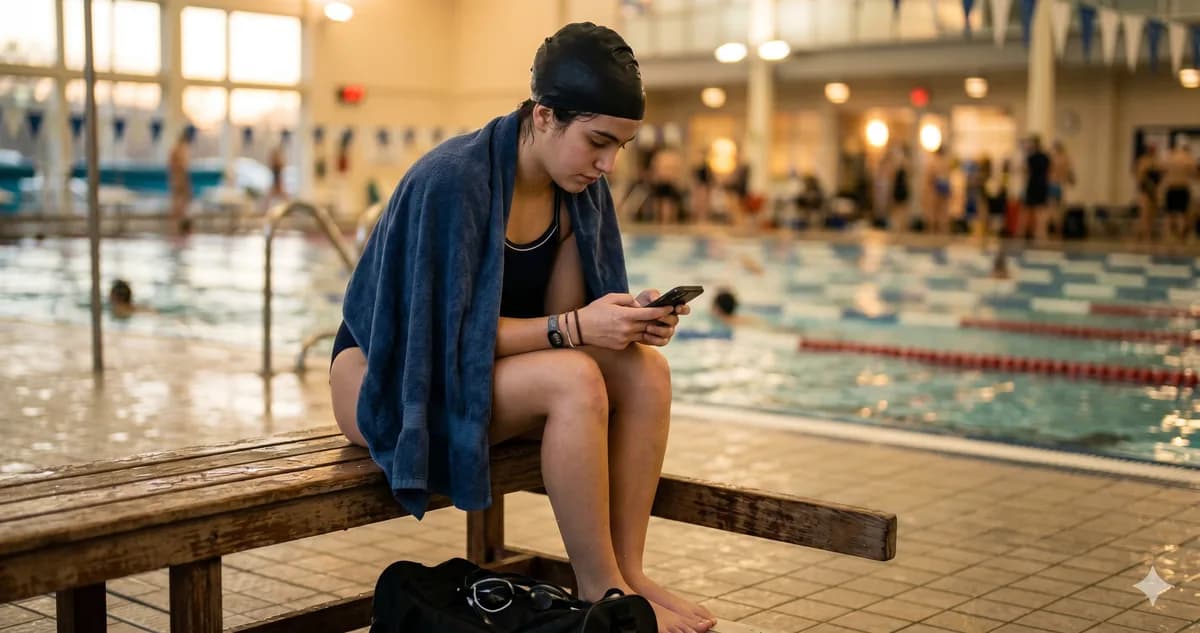
Training blocks load and unload stress in waves. A swimmer can crush practice sets one week, then feel flat the next as the body adapts. Single-meet reactions ignore that rhythm and create unnecessary panic. When you track the entire season, those dips make sense: they often precede breakthroughs because the athlete is absorbing work.
Planned peaks reveal intentional coaching
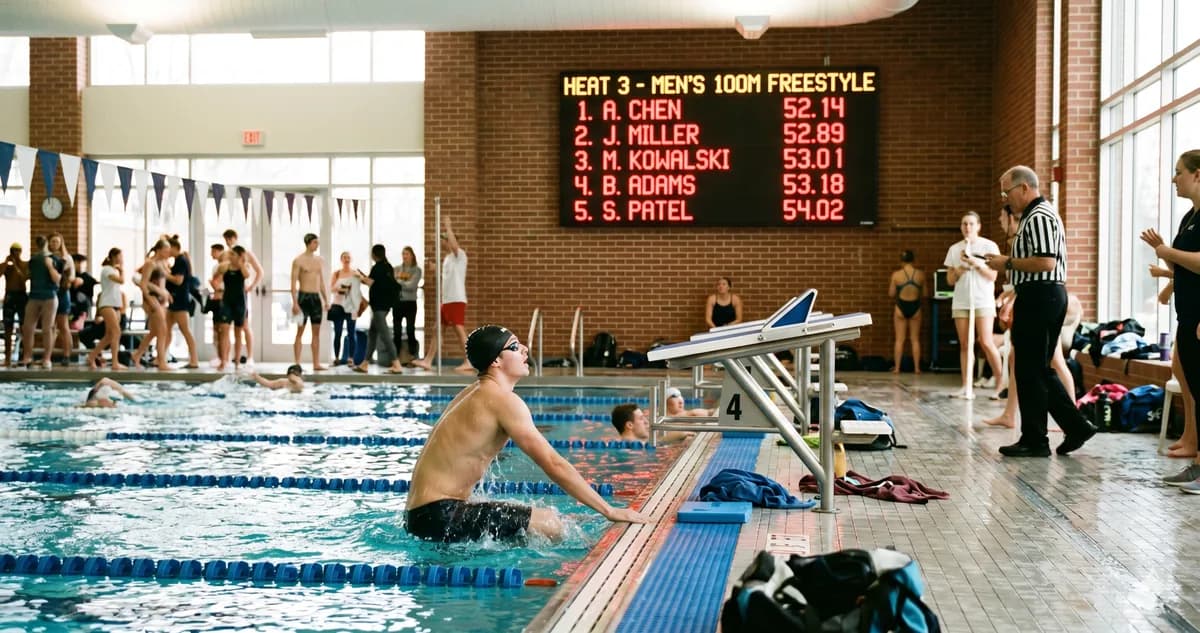
Championship meets are rarely a surprise. Coaches plan taper windows, travel schedules, and test sets to land the peak when it matters. If you only judge the program by an early-season meet, you miss the strategic build. Looking at data across months shows whether the swimmer is climbing toward that peak and whether the plan needs small tweaks, not wholesale changes.
Consistency is the clearest signal of evolution
The strongest indicator of progress is not an isolated best time, it is the ability to repeat quality performances. Season-long analysis highlights how narrow the variance is between races, how often the swimmer holds pace under fatigue, and whether back-end speed remains stable. That consistency tells coaches and parents the athlete is ready for the next level. Our article on how coaches use data for better decisions explains how to act on these patterns.
Data keeps swimmers, coaches, and parents aligned
When everyone can see trend lines, splits, personal bests, and progression charts in one place, the conversation becomes calm and productive. Swimmers understand why certain meets are "rehearsals" and others are targets. Coaches rely on evidence to explain decisions. Parents follow the journey without obsessing over a single result. Season-long data keeps expectations realistic and motivation high.
Conclusion
Focusing on one competition is like judging a book by a single page. The season as a whole shows where trust, patience, and consistent work lead. Track it, analyze it, and your team will spot the progress that rankings alone never reveal. For more on why rankings mislead, see why swim rankings don't tell the full story. Sign in to Gophin free, no card.