Quick answer
The 2026 Bell Canadian Swimming Trials ran July 5 to 9 in Montreal at the Olympic Pool, a 50-metre long course venue. The meet selected the Canadian roster for the World Aquatics Championships. Heats ran mornings, finals ran evenings, with age group standouts racing alongside Olympic medalists.
Every two years, the Canadian swimming season builds toward one week. Coaches plan training cycles around it. Swimmers shave for it. Parents drive across provinces for a chance to watch their kid race in front of national selectors.
For 2026, that week was July 5 to 9, in Montreal.
The Bell Canadian Swimming Trials is the meet that decides who represents Canada at the World Aquatics Championships. It is also a window into what the next generation of Canadian swimming looks like, with age group standouts racing alongside Olympic medalists for the same lanes. If you have a swimmer in the pipeline, watching Trials is part of understanding what they are working toward.
Here is what was at stake in Montreal, how the meet is built, and how to follow the next cycle on Gophin after you sign in.
When and Where
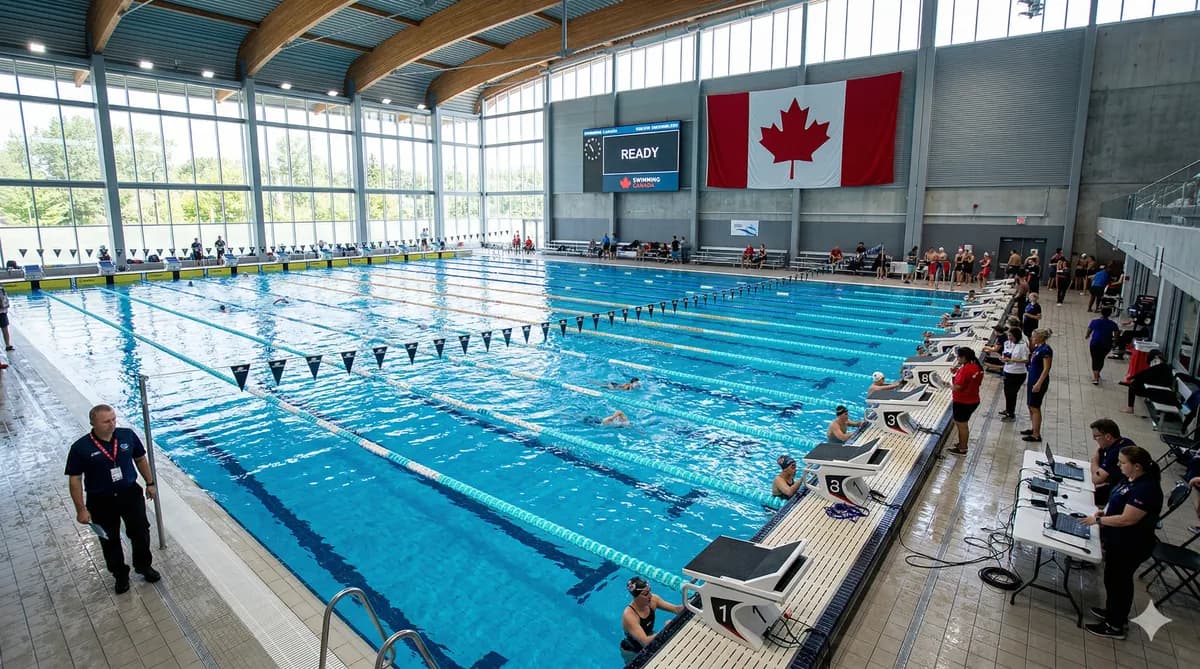
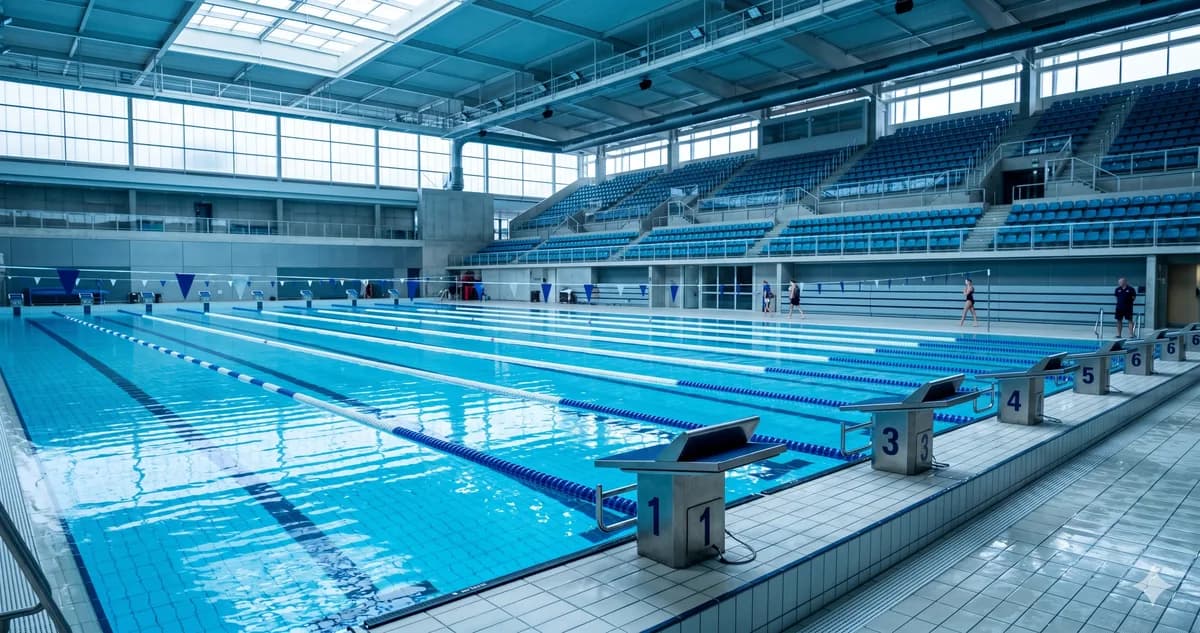
Dates: July 5 to 9, 2026 (completed). Venue: Montréal Olympic Pool, a 50-metre long course facility. Format: Heats in the morning, finals in the evening. Duration: 5 days of competition.
The Olympic Pool in Montreal has hosted Canadian Trials before, including the 2024 Olympic and Paralympic Selection Trials. It is one of the few facilities in Canada built to international long course standards.
For most age group swimmers and parents, this is the closest most will get to seeing what an international-level meet operation looks like, from electronic timing systems to deck protocols to the way swimmers are called to the blocks.
What Is at Stake
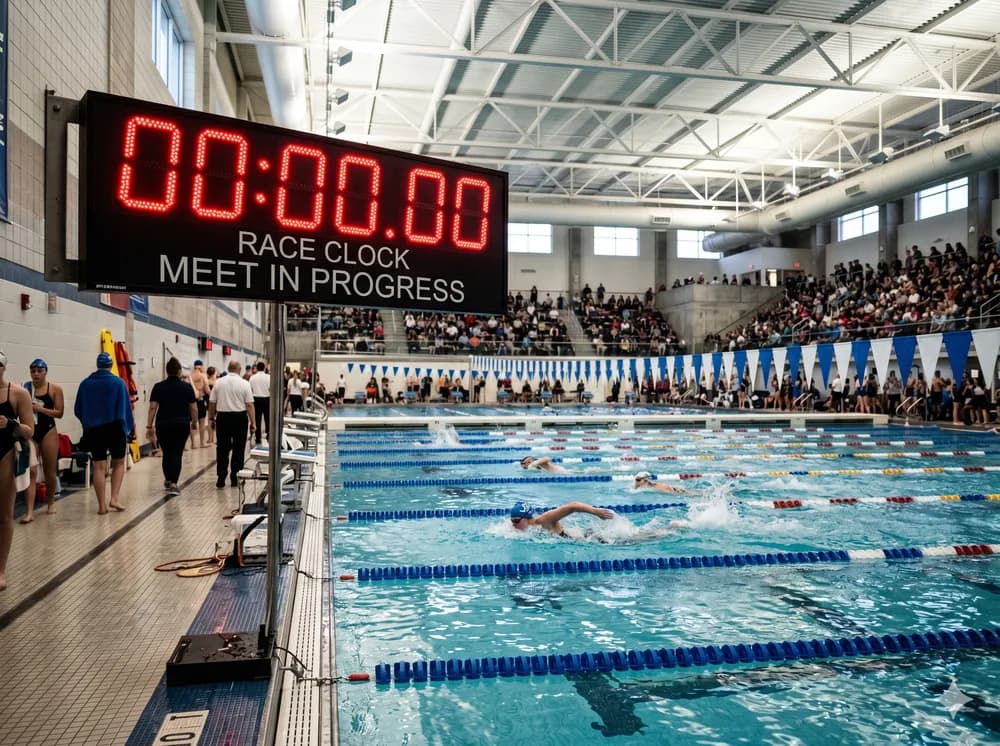
The Trials is a selection meet. Top finishers earn spots on the Canadian team for the 2026 World Aquatics Championships and other international assignments through the year.
Selection is not just about winning a final. Swimmers must hit specific qualifying times set by Swimming Canada, which are aligned with World Aquatics standards. A first-place finish that does not hit the cut can still mean no team spot. A swimmer can place outside the top three and still qualify if their time meets the standard.
This year, Swimming Canada also incorporated the 50-metre breaststroke, backstroke, and butterfly as official selection events, aligning with their recent addition to the Olympic program. That means more chances for sprint specialists to make the team, and more events worth watching for fans.
The declaration deadline for the meet was June 12, so by the time racing starts in July, the entry list is locked. You can usually find the full meet entry list on the Swimming Canada event page.
Five Storylines Worth Watching
Even if you do not know every swimmer in the field, a few patterns are worth tracking through the week.
1. The veterans defending their spots. Swimmers who made the 2024 Olympic team will be racing to earn another year on the international roster. Trials always has a layer of "can the established stars still go?" running underneath the racing.
2. The breakthrough age group swimmers. Every Trials produces at least one or two 16, 17, or 18-year-olds who outperform expectations and crash the senior team. Watch the prelims for swimmers whose seed times are slower than the field but who post unexpected drops.
3. The new 50-metre specialists. With 50 breast, back, and fly officially in the Olympic program, swimmers who used to be "100 specialists" may target the 50 as a lower-pressure path to the team. The depth in these races could surprise people.
4. The relay battles. Relay spots are decided by the Head Coach and relay coaches based on performances at Trials. Even swimmers who do not make individual finals can earn a relay slot if their split times are competitive.
5. The 200 and 400 IM. Canadian women's IM has been a strength internationally, and the depth in these events at Trials usually reflects that. Watch the early heats for clues about who shows up rested and ready.
How to Follow Along (If You Are Not in Montreal)
Most parents and fans will not be in the building. Here is how to keep up:
Live streaming: Swimming Canada typically streams finals live on their YouTube channel. Heats are sometimes available too, depending on the event. Check swimming.ca closer to the event for the schedule.
Live results: Real-time results are usually posted to swimming.ca during the meet. Times are uploaded as races finish.
Social media: Swimming Canada (@swimmingcanada) posts highlights and results throughout. Athlete and club accounts often share splits and reactions faster than official channels.
Heat sheets: The full meet program is published in advance. If you want to follow a specific swimmer, find their heat and lane assignments before the session starts so you know exactly when to tune in.
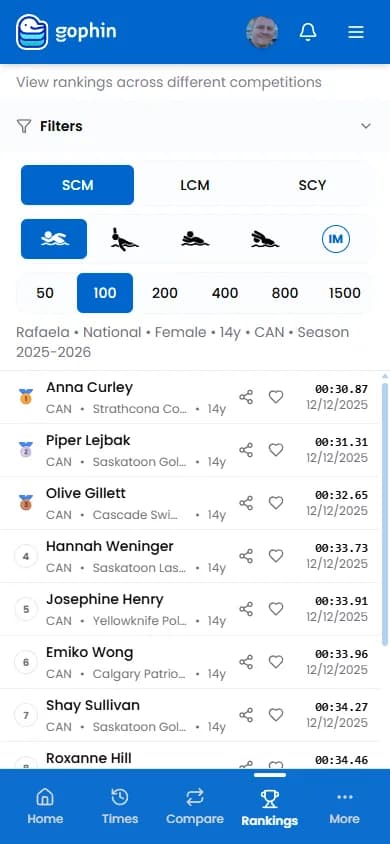
Track results in one place: Once the meet wraps, Trials results get uploaded to official competition databases. If you want every Canadian Trials result in your swimmer's profile alongside their other meets, follow Trials selections and qualifying times on Gophin, free, no card needed.
What This Means for Your Age Grouper
If you have a swimmer in the 11-18 age range watching this meet, here is what to point out:
1. The pipeline is visible. Most of the swimmers racing at Trials were age groupers themselves five to ten years ago. Show your swimmer that the path from regionals, to provincials, to nationals, to Trials is real and walked by people who started exactly where they are.
2. The standards are public. The qualifying times for Trials are posted by Swimming Canada. Your swimmer can see the exact times required and use them as long-term targets. For age group context on where current times stand, our Swimming Canada standards guide breaks down the relevant cuts.
3. Watch how the racers race. Pre-race routines, warm-up strategies, body language at the blocks, recovery between swims. There is more to learn from watching elite racing than just times. The same logic applies to your swimmer's next meet, from how they study the psych sheet to what they bring in their meet bag.
4. Disappointment is part of it. Plenty of swimmers at Trials will not qualify. They have trained for years, hit standards before, and still come up short. Use it as a conversation about how elite athletes handle setbacks.
Key Takeaways
The Canadian Trials is the most concentrated week of high-level swimming Canada produces. For age group swimmers and their families, it is a chance to see the standards, the swimmers, and the pathway up close.
If you are following along:
- Mark July 5 to 9 on your calendar
- Bookmark swimming.ca for live results
- Check the official Swimming Canada YouTube for streaming
- Track your favourite swimmer's results meet by meet
- Use the qualifying standards as a long-term reference for your own swimmer
A week of racing decides a lot. Watching it teaches more.
Sources
- Swimming Canada. 2026 Bell Canadian Swimming Trials event page. Confirmed dates, venue, and selection event format. swimming.ca
- Swimming Canada Selection Policy 2026. World Championships qualifying criteria and event additions (50m stroke events). swimming.ca
- Sport Information Resource Centre. Swimming Canada selection policy updates announcement. sirc.ca