Quick answer
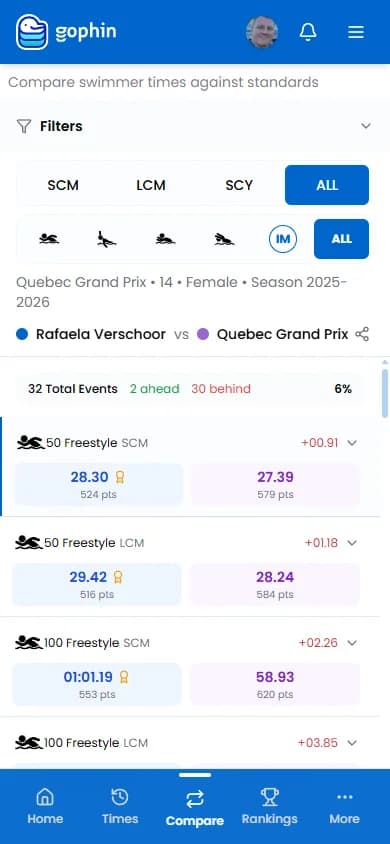
Ready for the next level when the cut is close across more than one race, same event, same pool type — not after one hero swim. Sign in to Gophin (free), open Compare Standards, pick the provincial or national set that matches the meet.
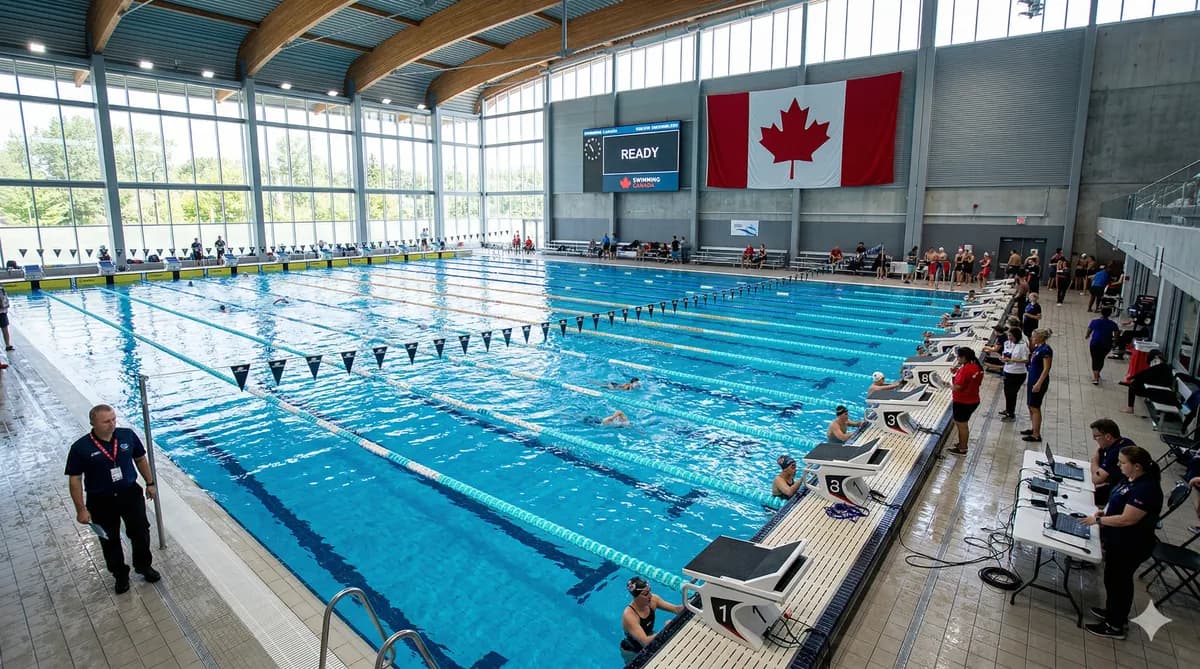
When Rafa qualified for BC Provincials for the first time, the whole family went quiet for a second, then erupted. She'd been grinding at local meets for two years, and suddenly the numbers said she belonged at the next level. That was the moment Michelle and I realized our daughter wasn't just swimming for fun anymore; she was actually progressing from local to provincial competition.

Celebrate each stage while the data proves the climb is real.
Growth happens one stage at a time
Moving from regional podiums to provincial or national finals is a layered journey. Race data shows whether the swimmer is holding splits under pressure and closing the gap to the next cut. Those incremental signals matter more than one standout swim.
Compare by competitive context
Racing faster fields means comparing times against higher standards. Contextual data lets teams filter by meet type, prelims versus finals, and course length. When you see the athlete closing the gap on the median finalist, you know the strategy is working, even if the medal count has not changed yet. Understanding how swimming standards work by age helps put those gaps in perspective.
Reliable history builds trust
Keeping meet results, personal bests, and evolution charts in one place proves that the progression is real. Coaches can show how the swimmer handles back-to-back meets and when times actually dropped after a rest week. Gophin does not track the taper plan. It tracks the races around it.
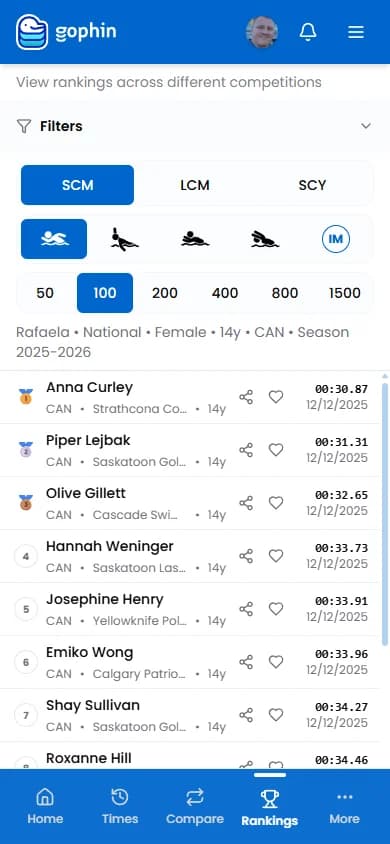
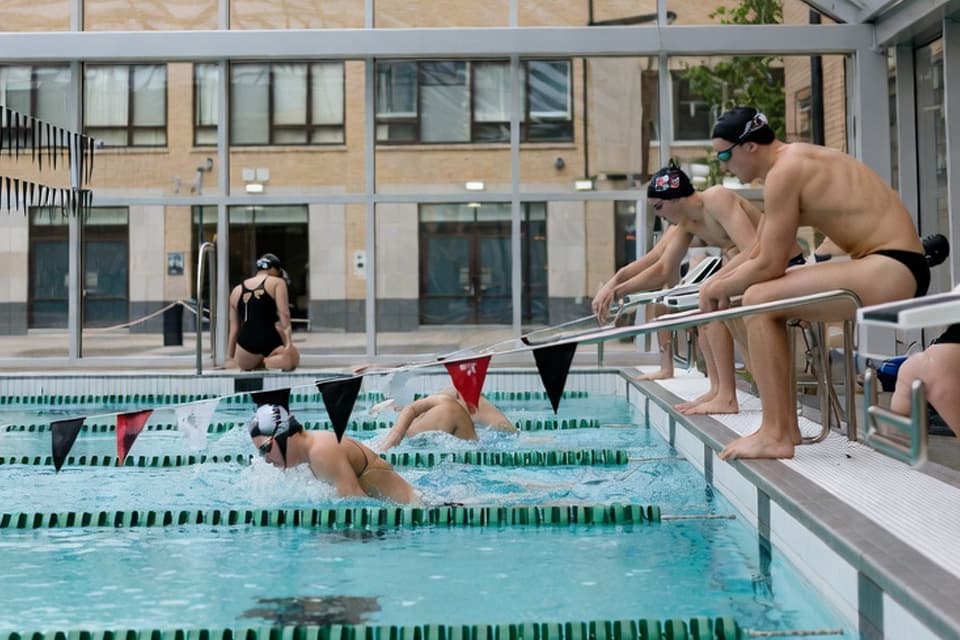
Reliable history gives coaches and swimmers confidence to face stronger fields.
Conclusion
Climbing from regional meets to the national stage requires clarity, patience, and proof. Consistent data keeps every step intentional. For a broader view on why patience pays off, read why season-long progress matters more than a single meet. Sign in to Gophin free, no card.