Quick answer
A swim taper is a planned reduction in training volume (and sometimes intensity) in the weeks before a major meet, designed to let the body recover from heavy training so the swimmer arrives rested and race-ready. Tapers usually last one to three weeks for age group swimmers. Parents support best by protecting sleep, food, and routine.
The first time Rafa came home and said "we're tapering," I nodded like I knew what that meant. I did not. The next week she was swimming less, eating more, sleeping like a teenager (she was not a teenager yet), and snapping at me about the brand of bread I bought. I assumed something was wrong.
Nothing was wrong. She was tapering. And no one had explained to me what that actually meant or what I was supposed to do about it.
If your swimmer's coach has mentioned the word taper and you smiled and pretended you understood, this is for you.
What a Taper Actually Is
A taper is a planned reduction in training volume and sometimes intensity in the weeks leading up to a major competition. The goal is to let the body recover and adapt from a heavy training block so the swimmer arrives at the meet rested, strong, and race-ready.
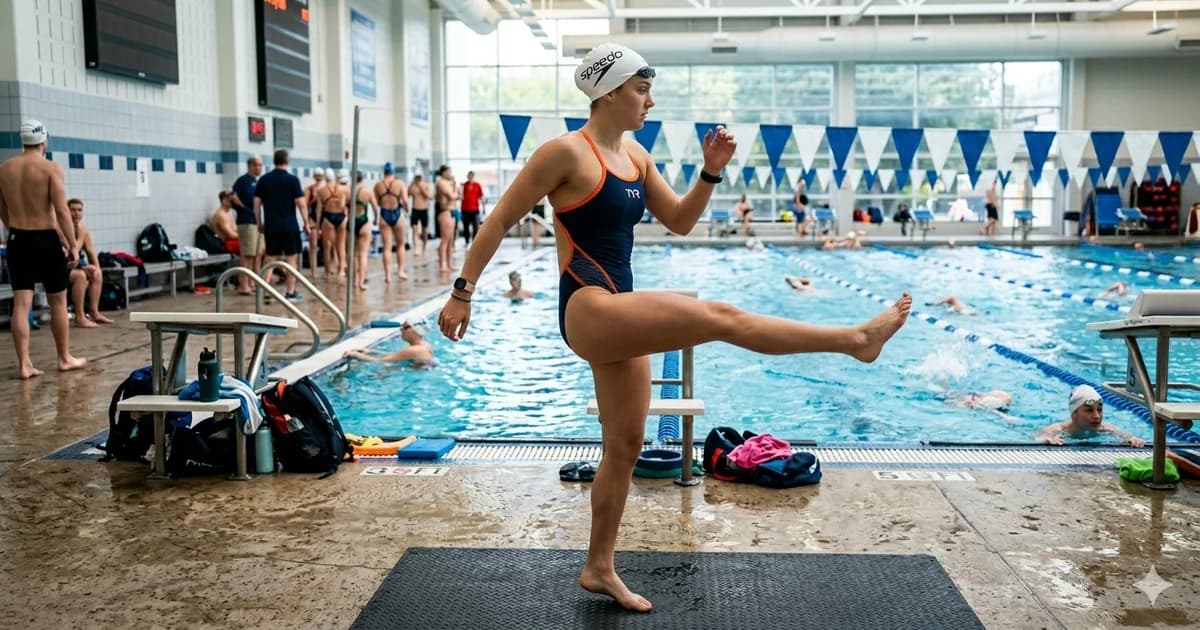
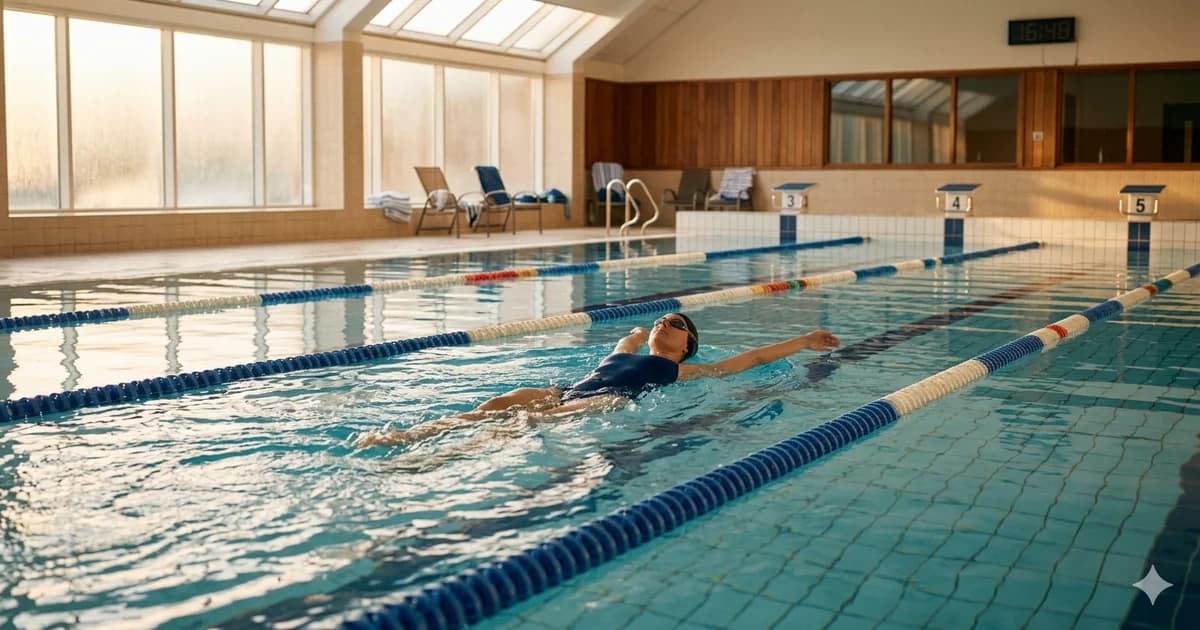
It is not a vacation from swimming. The number of practices per week often stays the same, but the meters per practice and the difficulty of the main sets drops. A swimmer who was doing 6,000 meters per practice with hard intervals in February might be doing 3,500 meters with sharper, shorter sets by the final taper week.
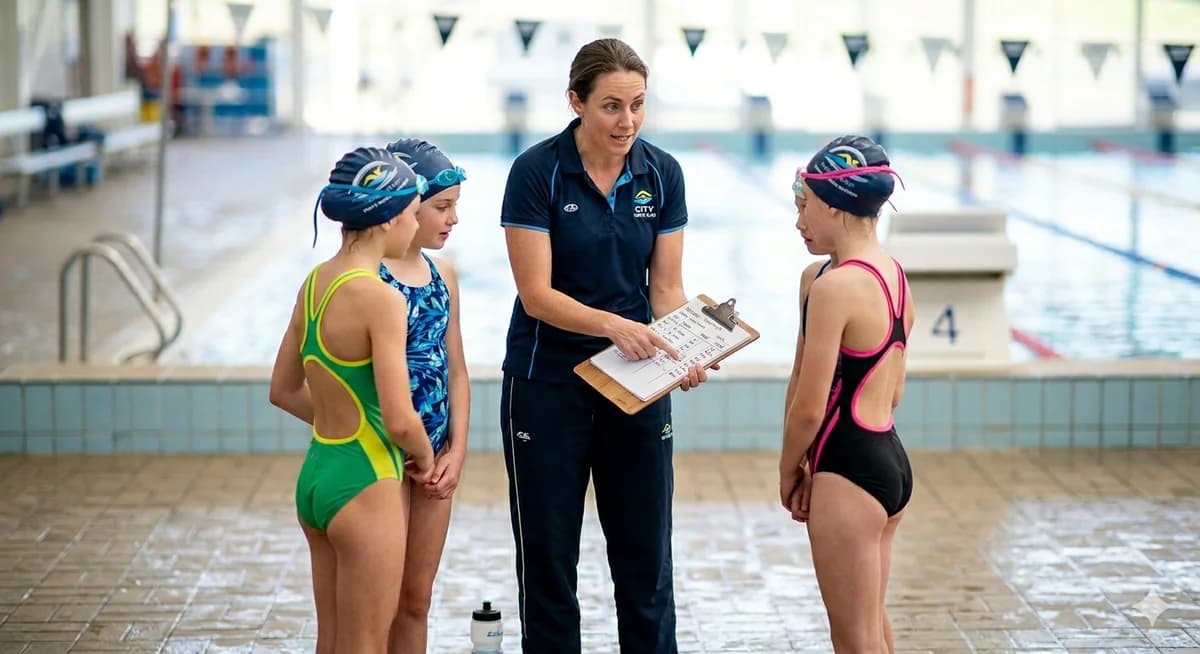
Tapers usually last anywhere from one to three weeks for age group swimmers, depending on age, training load, and the importance of the meet. Younger swimmers (10 and under) typically taper for less than a week, often just a few days of reduced volume. Older swimmers preparing for major championships may taper for two to three weeks. The exact length is the coach's call.
Why a Taper Works (The Short Version)
The science term you may hear is "supercompensation." During hard training, the body is broken down faster than it can fully recover. Muscles, hormones, and the central nervous system are running below their best. When training drops off, the body finally catches up and overshoots, becoming stronger than it was before the heavy block. Research has shown well-executed tapers can improve swim performance by roughly two to three percent at championship meets, which is the difference between a best time and a personal record at that level.
A few things happen during the taper:
- Muscle glycogen rebuilds. The body's stored carbohydrate fuel refills, which is why a tapered swimmer often gains a few pounds (mostly water, because every gram of stored glycogen holds about three grams of water)
- The central nervous system recovers. The swimmer feels sharper and more reactive off the blocks
- Sleep quality improves because cumulative fatigue lifts
- Inflammation drops as the body finishes the repair work from the hard training block
- Mental freshness returns, often after a few days of feeling worse, not better
That last point is the one that surprises most parents.
Why Your Swimmer Feels Worse Before They Feel Better
Here is the part nobody warns you about. The first 5-10 days of a taper often feel terrible. The swimmer is doing less work but feels heavier, slower, and more tired. Practice times can get worse. They may complain that they have lost their fitness.
This is normal. The body is still catching up on weeks of accumulated fatigue, and the lighter training has not yet produced the supercompensation effect. The sharpness usually shows up in the final week of the taper, sometimes in the last 3-4 days. By race day, things click.
If your swimmer is mid-taper and convinced they are going to swim badly at the meet, you are watching the right pattern at the right time. Do not panic with them.
What to Expect at Home

Tapering changes how swimmers move through the day. Some patterns to expect:
Increased appetite. As glycogen stores rebuild, hunger often spikes. Carbs especially. Let them eat. This is fueling, not overeating.
Weight gain of 2-5 pounds. Mostly water bound to the rebuilt glycogen. This is the goal, not a problem. Do not comment on it.
Better sleep, more sleep. Most swimmers naturally sleep more during taper. If your swimmer sleeps 10 hours on a Saturday during taper week, that is fine.
Mood swings. This one is real and has a name in the swimming world: taper madness.
Energy that comes and goes. Some days they bounce out of the house. Other days they cannot get off the couch. Both are normal during taper.
For a deeper look at race-day fueling once the meet arrives, see our pre-meet nutrition guide and hydration guide.
Taper Madness Is Real

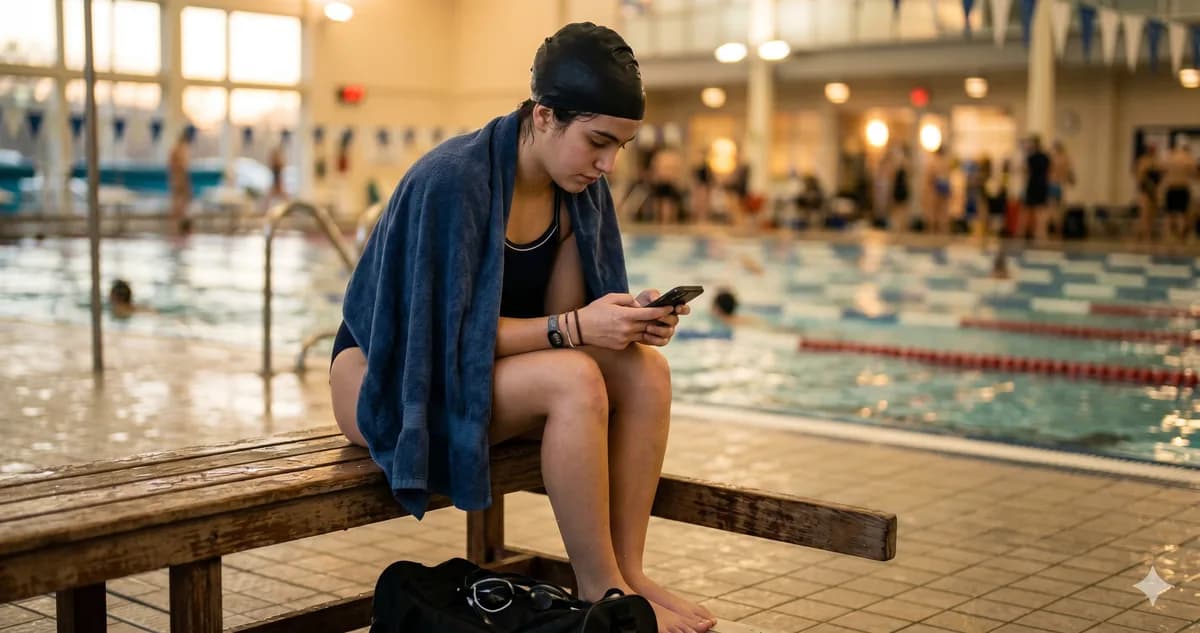
Taper madness is the swim community's name for the emotional and behavioral changes that often hit swimmers during a taper. It is part hormonal, part psychological, part the simple fact that they have less physical outlet for stress than they are used to.
Common signs include:
- Irritability over small things (bread brand, wrong shoes, the wrong song)
- Anxiety dreams about the meet
- Restlessness, especially in the evening
- Catastrophic thinking ("I'm going to swim terrible," "my taper isn't working")
- Hyper-focus on small physical sensations ("my shoulder feels weird")
- Mood swings between confident and convinced of disaster, sometimes within an hour
For parents, this can be confusing. Your normally even-keeled kid is suddenly emotional and reactive. The instinct is to fix it or push back. Mostly, do not.
What helps:
- Acknowledge it without making it bigger ("That sounds frustrating. You are deep in taper, this is normal.")
- Keep the home environment calm. Now is not the week to schedule big family events, hard conversations, or major changes
- Do not promise outcomes ("You're going to crush it") or predict failure ("Don't get your hopes up"). Stay neutral
- Protect their sleep. Taper sleep is more important than almost any other variable
- If they want to talk about the meet, listen. If they want to ignore it, let them
What does not help:
- Telling them to "snap out of it" or comparing them to siblings
- Adding extra activities to "burn off energy" (the taper is doing what it should)
- Rehashing past meet results
- Suggesting they should be "more excited"
Race Day: What the Taper Was For
If the taper has gone well, race day looks different. The swimmer feels light in the water. Strokes feel long and easy. The sprint feels effortful but somehow not exhausting. Times drop. This is not luck. This is the supercompensation showing up exactly when it is supposed to.
A few practical race-day notes during taper:
- Stick to familiar pre-race meals and routines. Taper week is not the time to try a new breakfast
- Hydrate normally, not heroically. Over-hydrating can dilute electrolytes and make swimmers feel worse
- Trust the warmup the coach has built. Tapered swimmers sometimes feel "heavy" in warmup and then race fast
- Do not change goggles, suit, cap, or anything in the gear lineup the week of the meet
For meet-day logistics, our packing checklist and how to read a heat sheet cover the nuts and bolts.
After the Meet
A successful championship after a good taper is one of the most satisfying weekends in age group swimming. It is also followed by deep fatigue. Tapering does not eliminate post-meet exhaustion, it concentrates the effort into a few high-quality races and then the body crashes.
For what comes next, see our guide on swim meet recovery after championships.
Tracking the Pattern Across Seasons
Every swimmer responds to taper differently. Some swim fastest after a 10-day taper. Some need a full three weeks. Some swim a flat taper at one meet and a personal record at the next, with the same plan.
Coaches use this information to plan future seasons. Parents can too. Knowing that your swimmer historically swims their best at the second meet of a taper, or that they need an extra rest day, is information worth keeping.
track every meet outcome through Gophin's timeline, no card needed. Best Times and Meets are free for everyone, so you can spot patterns season after season without juggling multiple sites.
One Last Thing
If your swimmer is mid-taper and you are watching them eat the kitchen, sleep more than usual, snap about the bread, and tell you their stroke is broken, congratulations. You are watching a normal taper.
Stay calm. Keep the home quiet. Protect the sleep. Trust the coach.
And once the meet is over and the times are logged, see how the taper actually shows up on race day with Gophin, no card needed.
Sources
- USA Swimming. "Nutrition and Recovery" parent resources. Glycogen replenishment and taper-week fueling guidance. usaswimming.org
- Mujika, I. et al. "Effects of Taper on Swimming Force and Swimmer Performance After an Experimental Ten-Week Training Program." Peer-reviewed taper research. researchgate.net
- Swimming Science Bulletin, San Diego State University. Taper physiology and supercompensation. coachsci.sdsu.edu
- Author experience. Vancouver, BC. Multiple taper cycles with Rafa, multiple confused parent questions answered the hard way.