Community
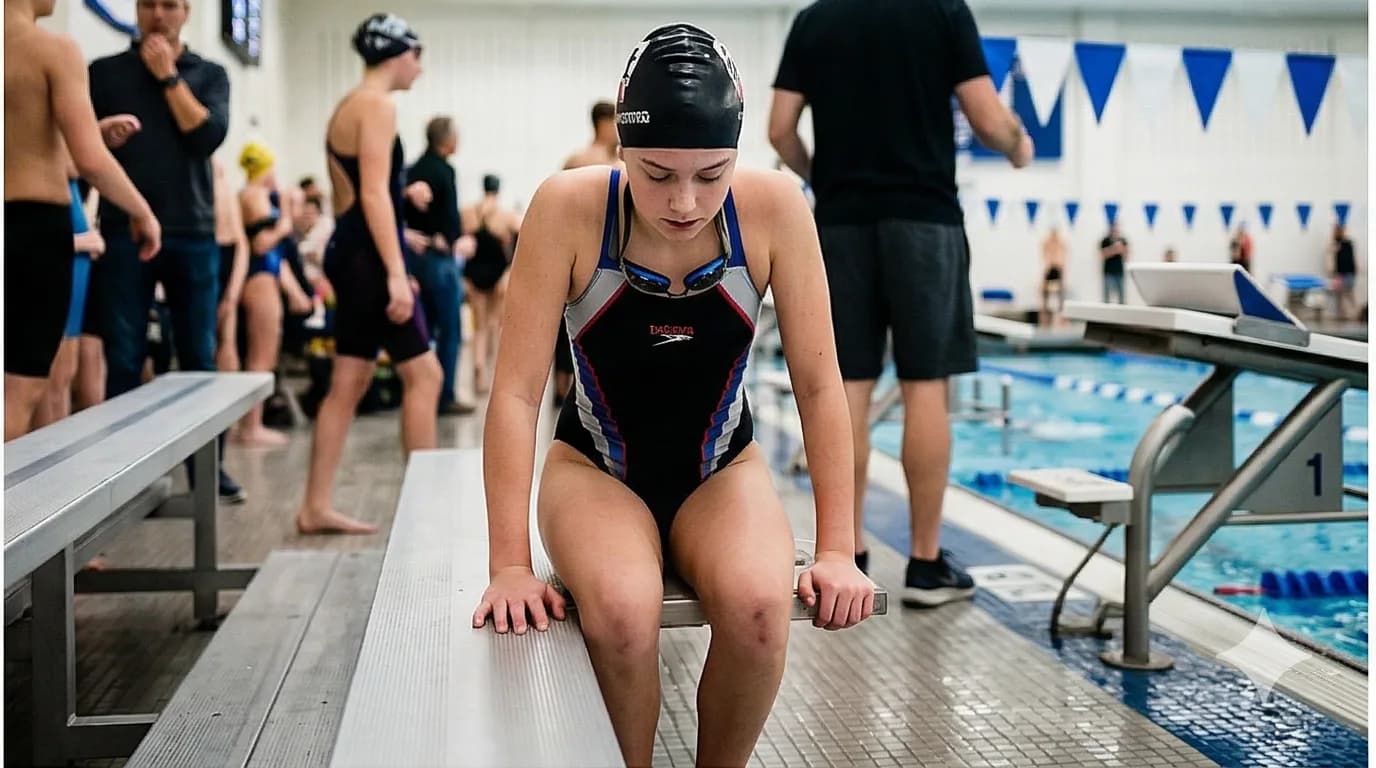
How to Help Your Child With Pre-Race Anxiety
Nerves before a race are normal, even for the fastest swimmers. What to say, a breathing routine that works on deck, and when to talk to the coach.
August 22, 2024 · 4 minKeep reading
Articles to help you make sharper decisions about this topic.
Explore categories
Select to filter posts
Nerves before a race are normal, even for the fastest swimmers. What to say, a breathing routine that works on deck, and when to talk to the coach.
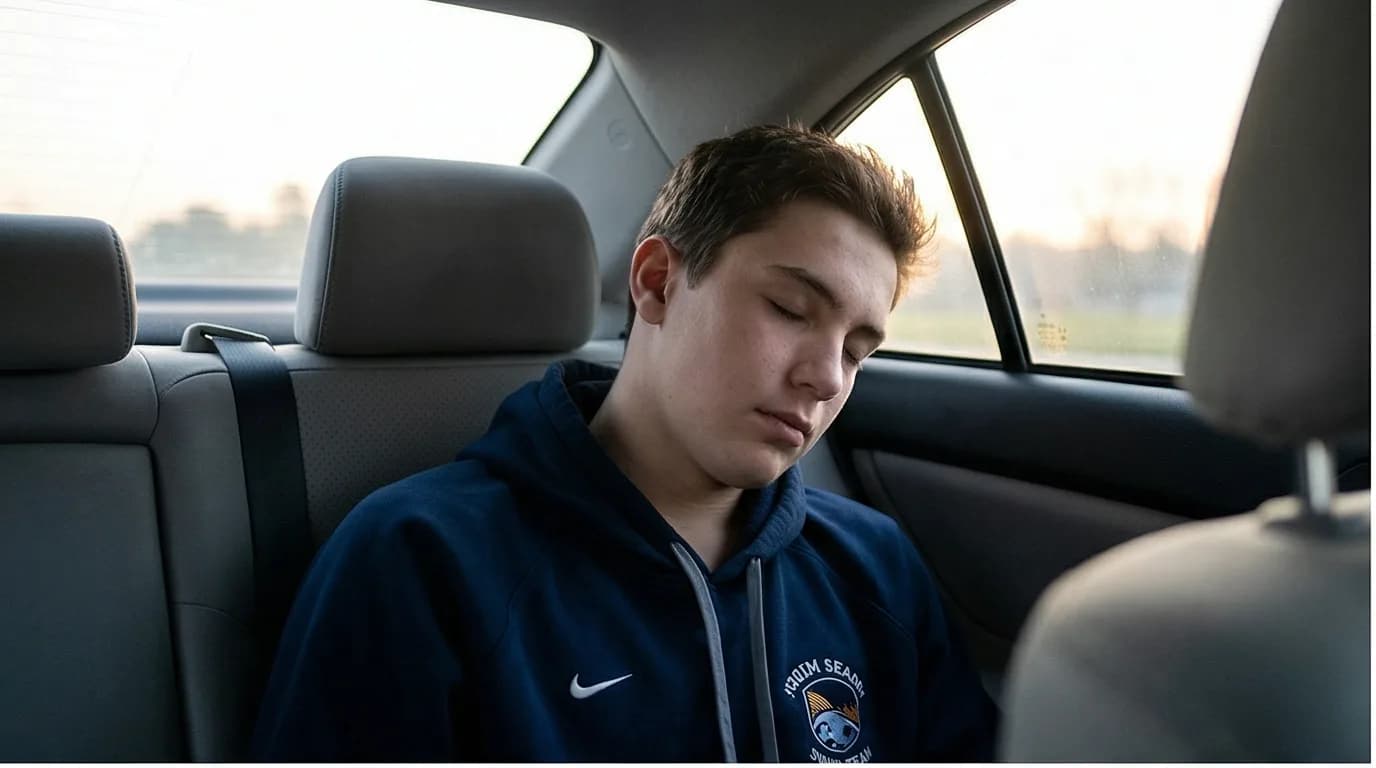
Kids 6–12 need 9–12 hours and teens 8–10. In a small Stanford study, swimmers who slept 10 hours cut 0.51 s off a 15 m sprint. How to fit it around early practice.
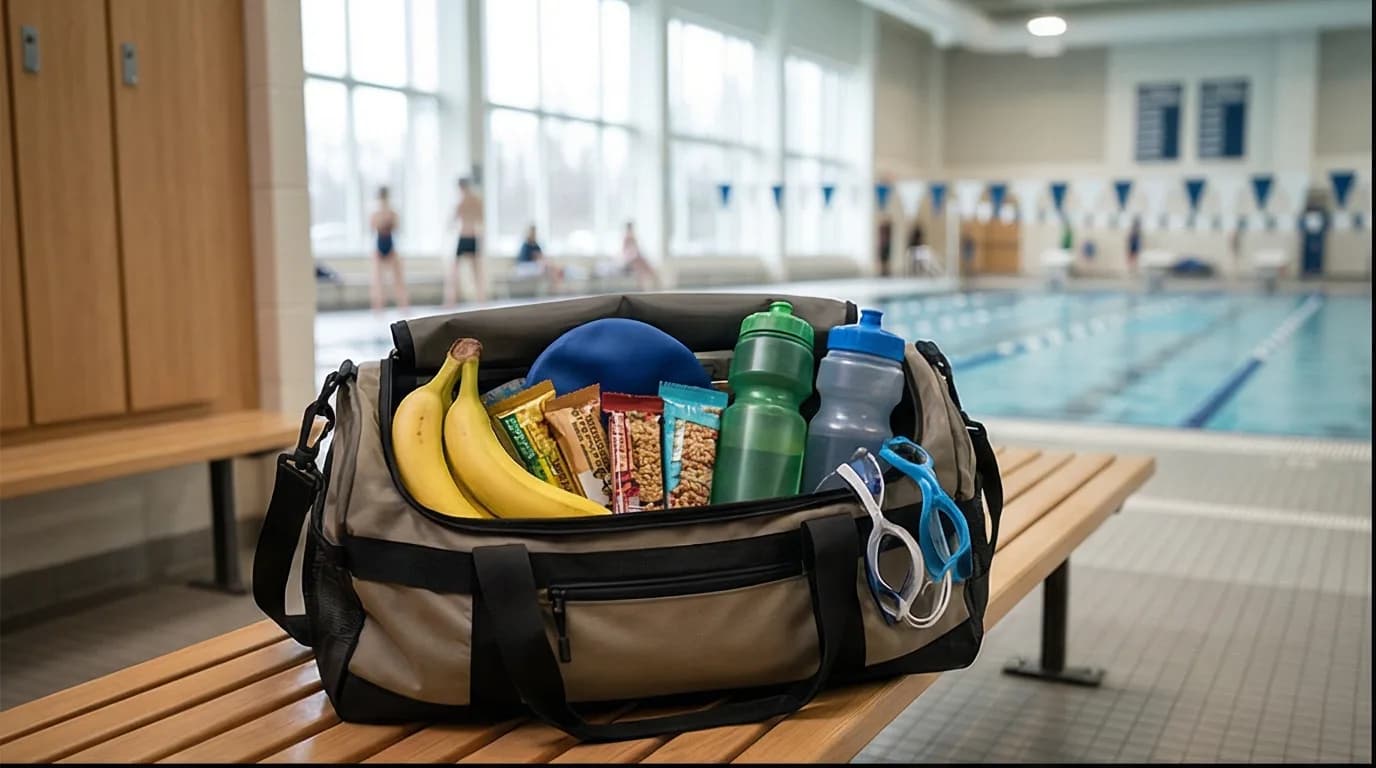
Timing, carbs, hydration, and the golden rule: never try new food on race day. A practical nutrition guide for swim families.
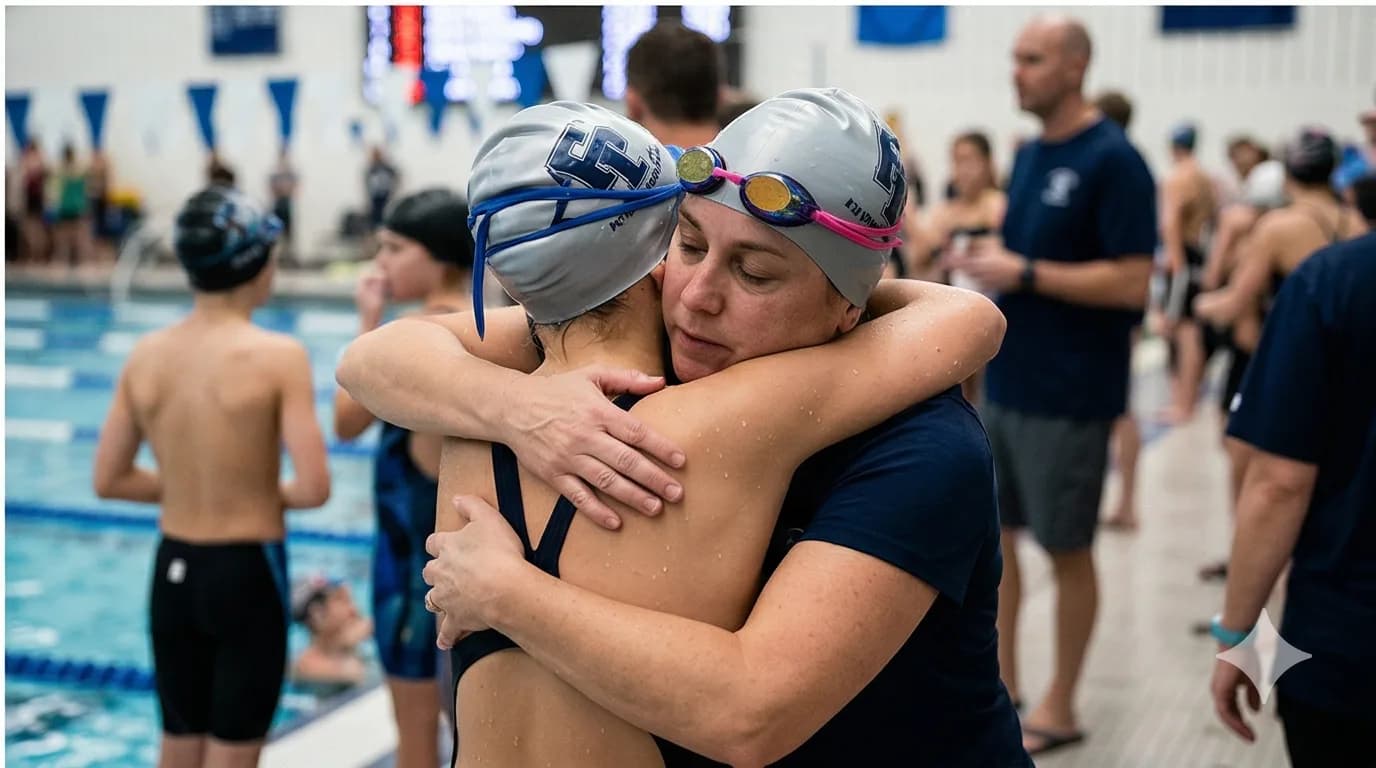
Your first instinct after a tough race is to fix it. But the best response is simpler than you think: 'I love watching you swim.'

Goal setting, resilience, time management, and five more skills that follow your child far beyond the pool deck.

Kids notice a parent's meet-day nerves more than we think. What the research says about pressure and support, and how to manage your own stress at swim meets.
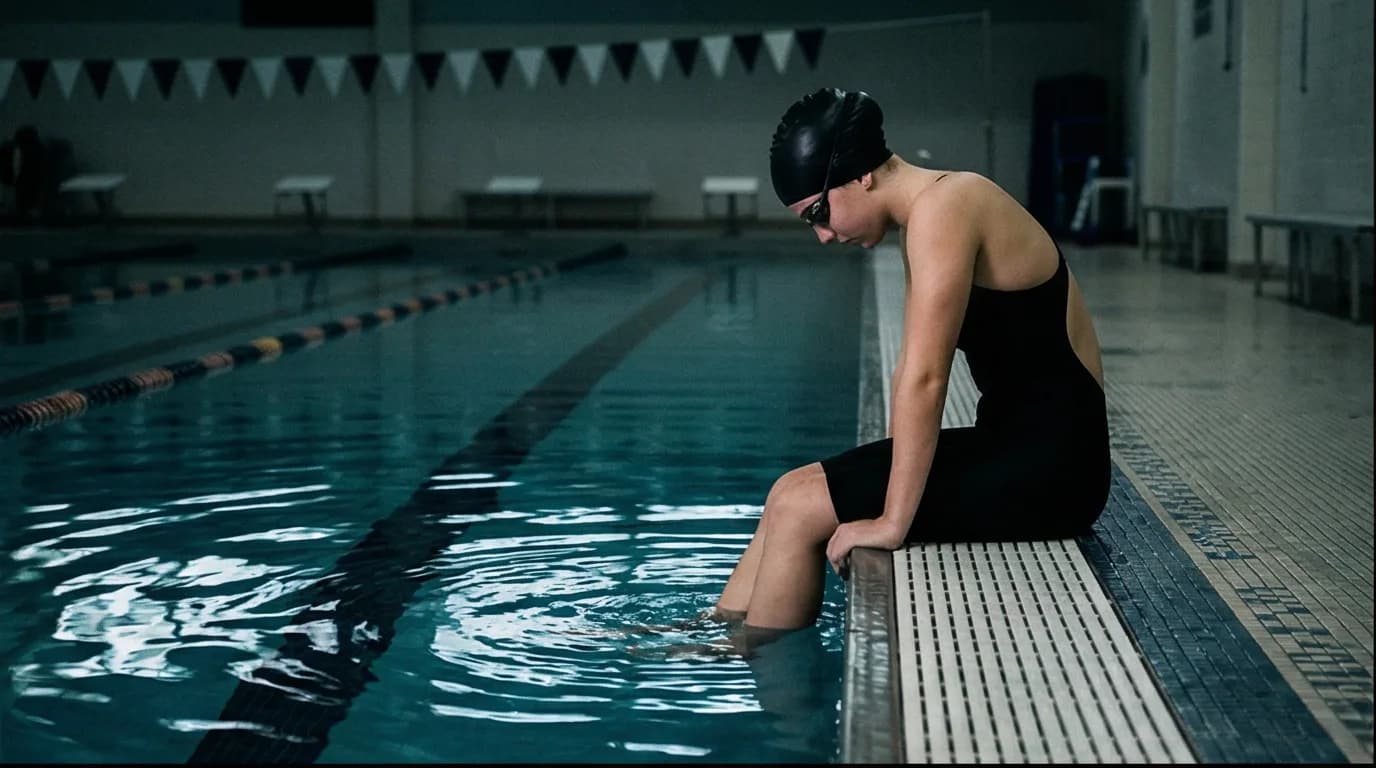
Burnout can push a young swimmer out of a sport they loved. Here are the five warning signs and what you can do before it's too late.
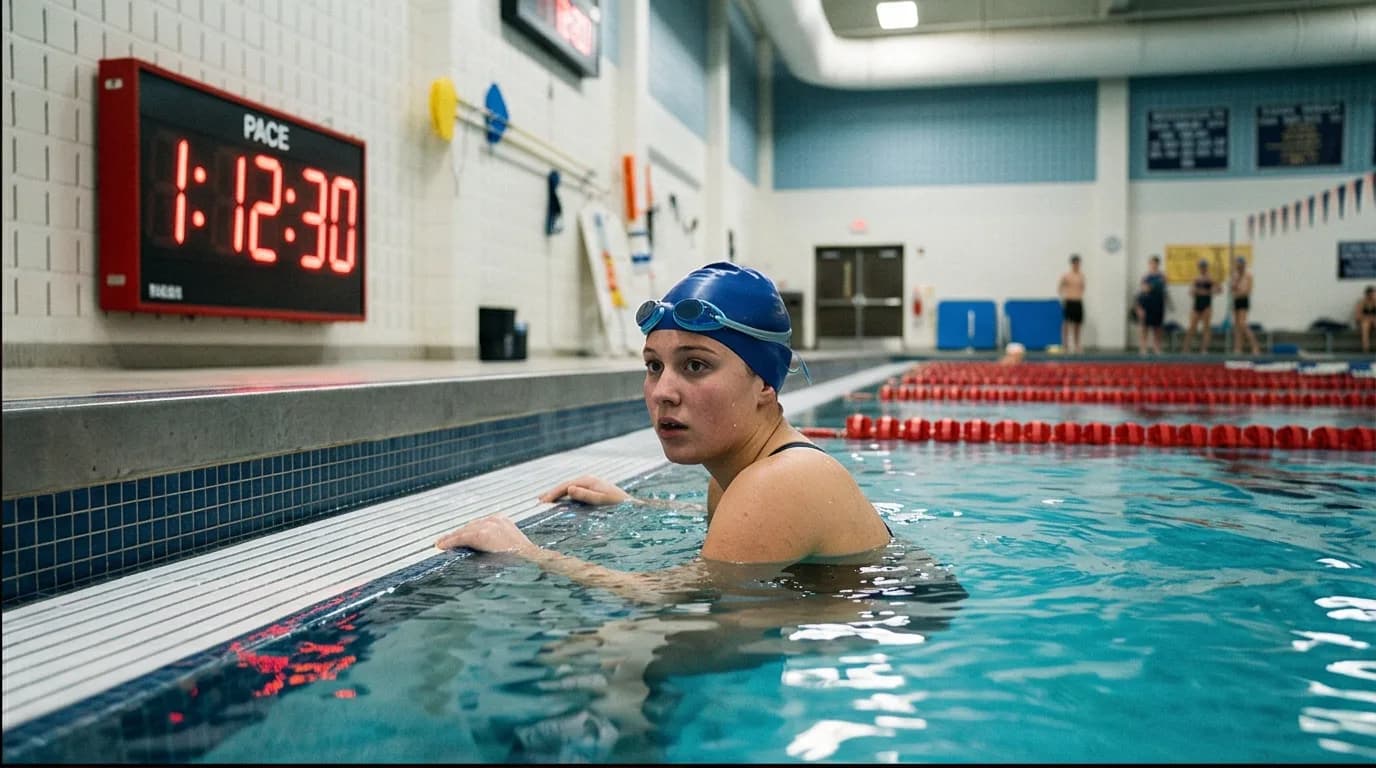
In the late teens, improvement shrinks to 1–2% a year. Plateaus aren't failure, they're biology. Here's how to keep going.
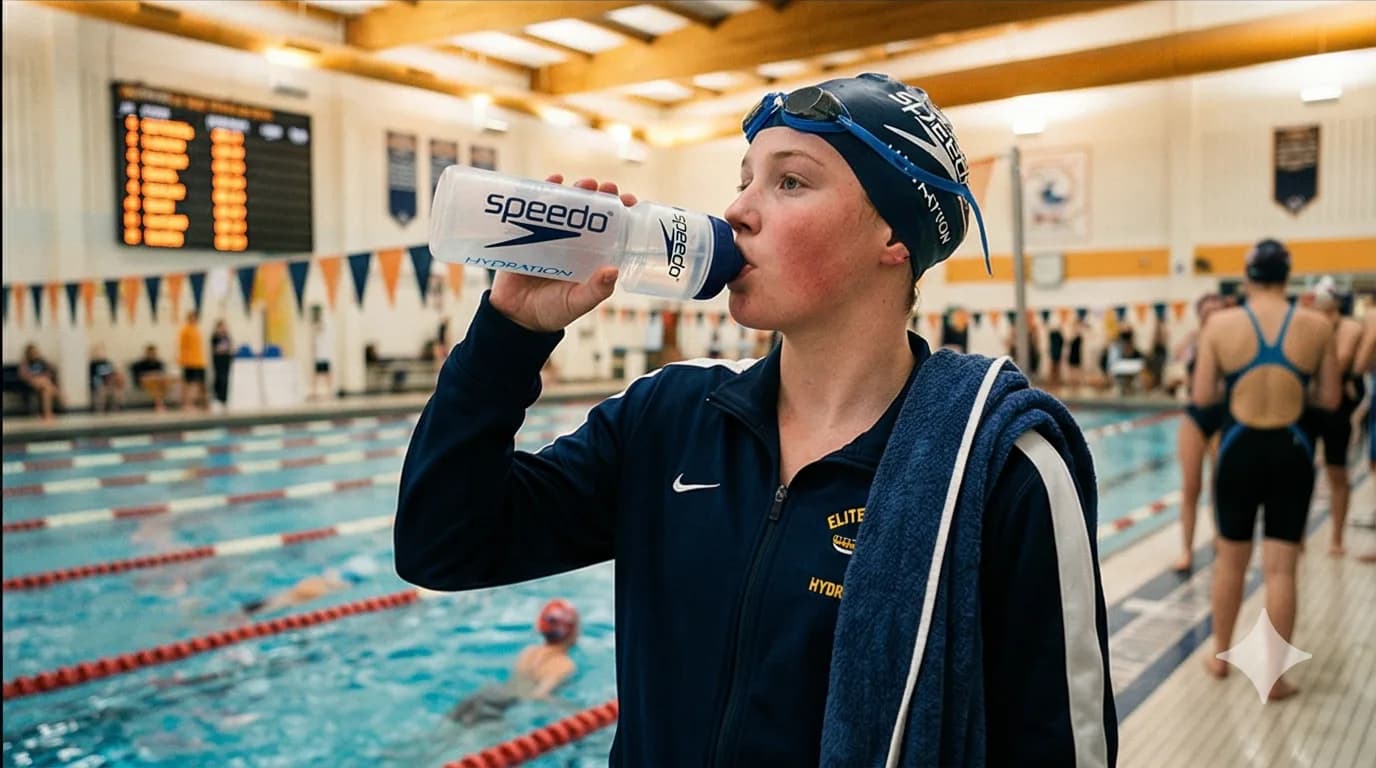
Yes, swimmers dehydrate in the pool. A simple weigh-in shows how much your swimmer loses, plus what to drink and a meet-day hydration plan.

Active kids tend to do better in school, and early swim lessons are linked to early-learning gains. What the research shows, what it does not, and what to do if grades slip.

Showing up at 5 AM, finishing sets you hate, getting back in after a bad race. The discipline swimmers build follows them everywhere.
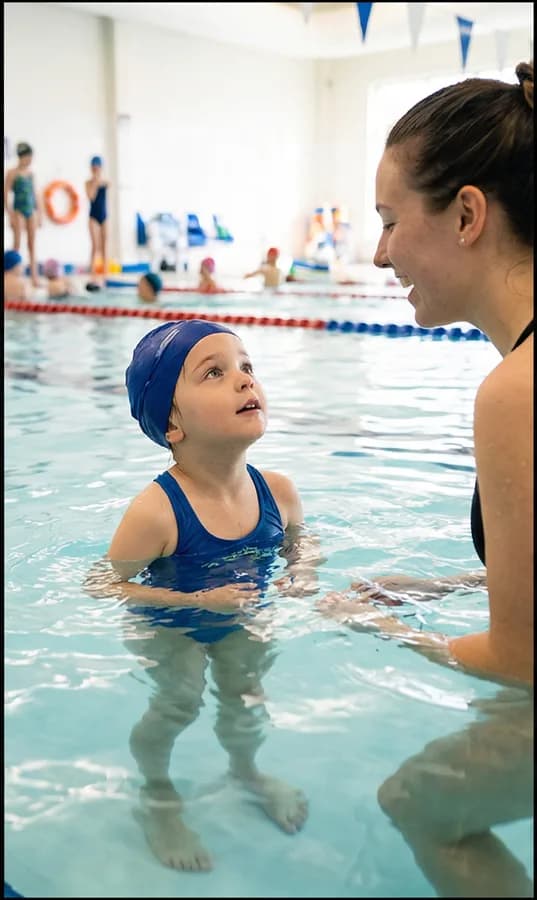
Water safety, low joint impact, full-body exercise and no bench. Why swimming is a strong first sport, even if your child never races.