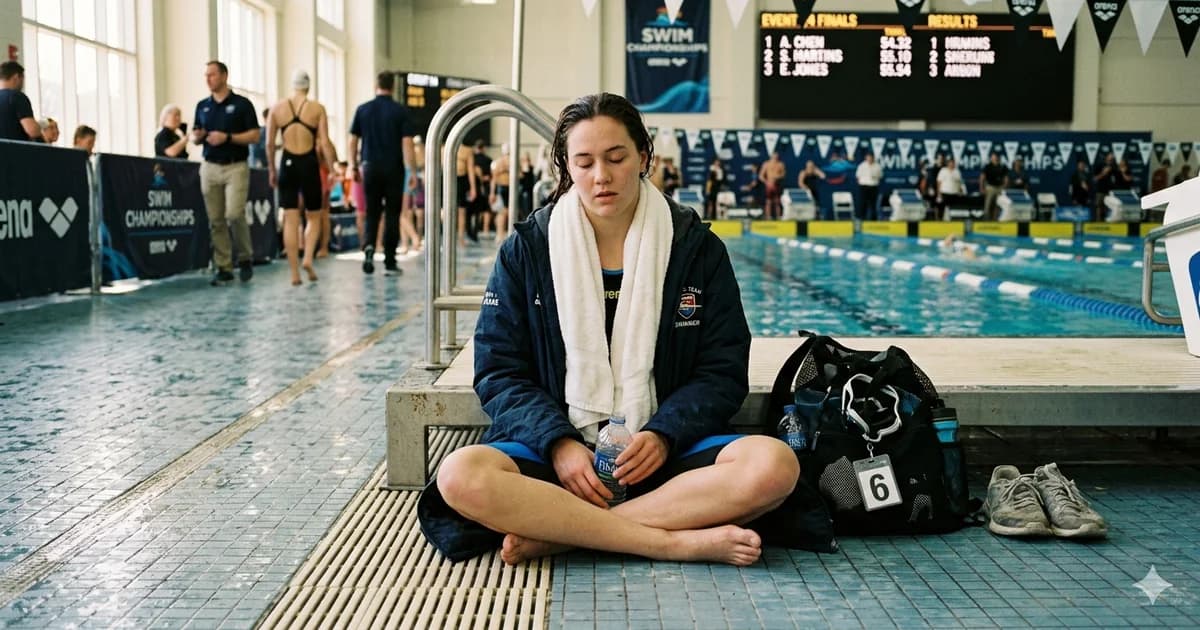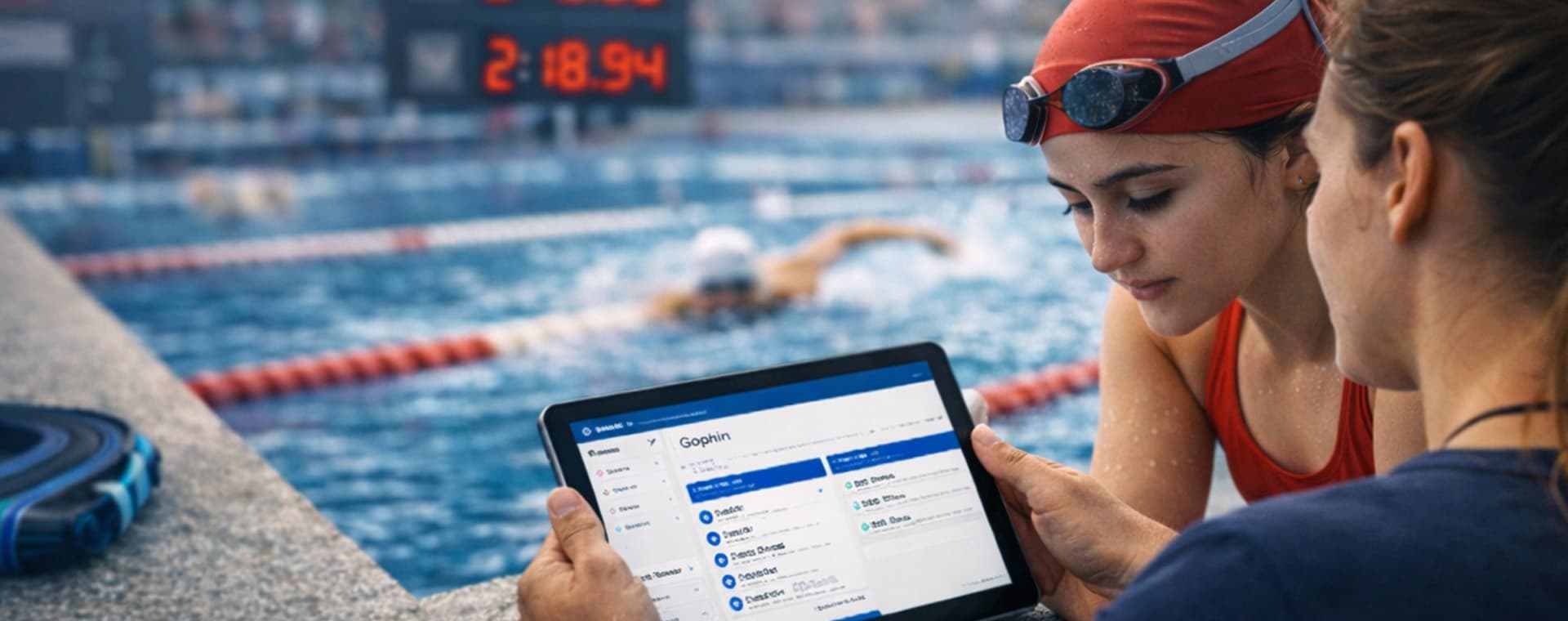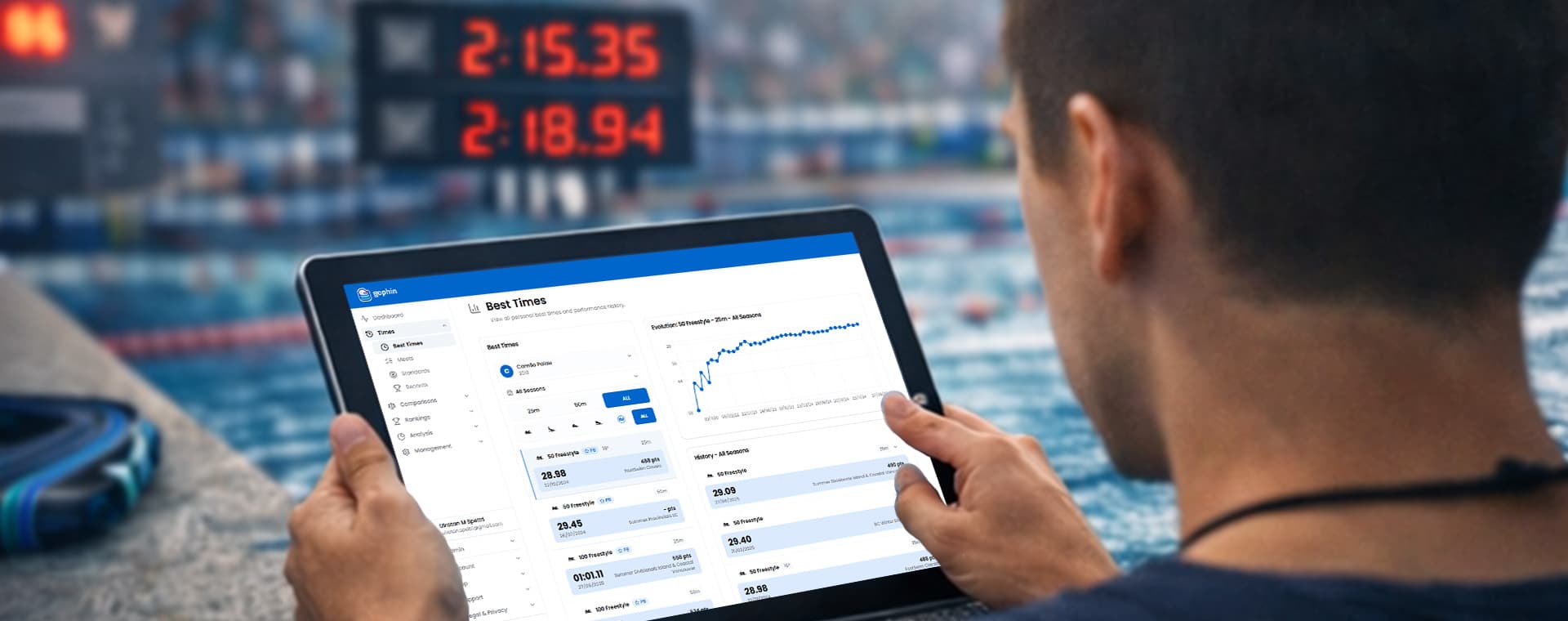
Why Does My Swimmer Slow Down in the Back Half of the Race?
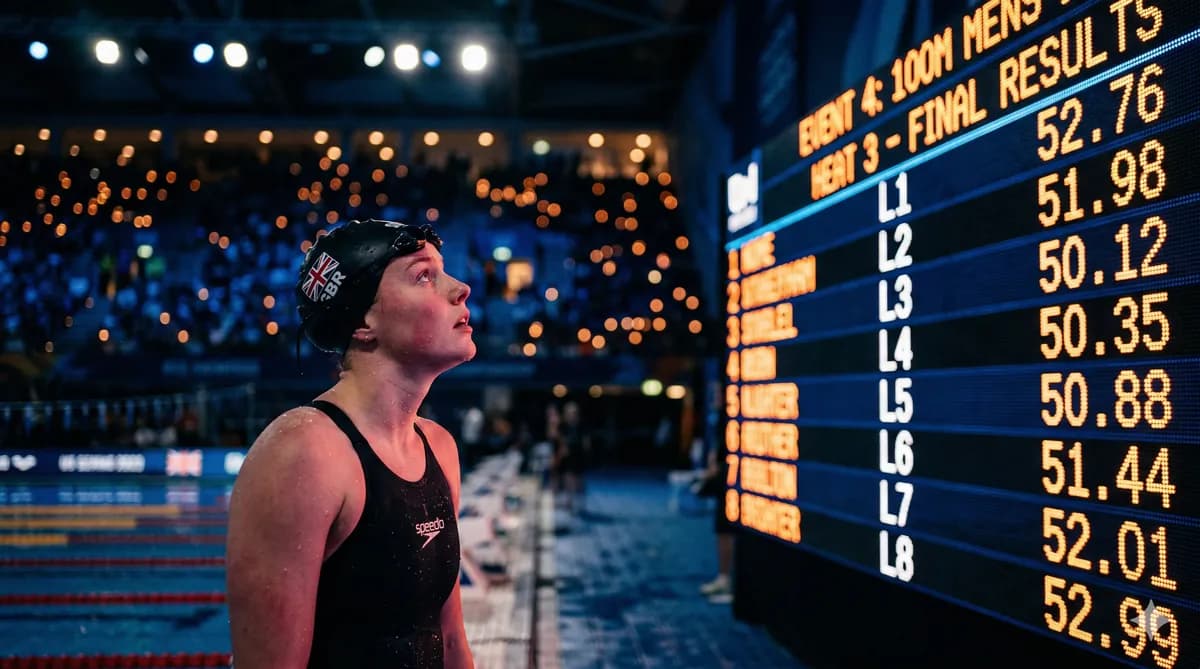
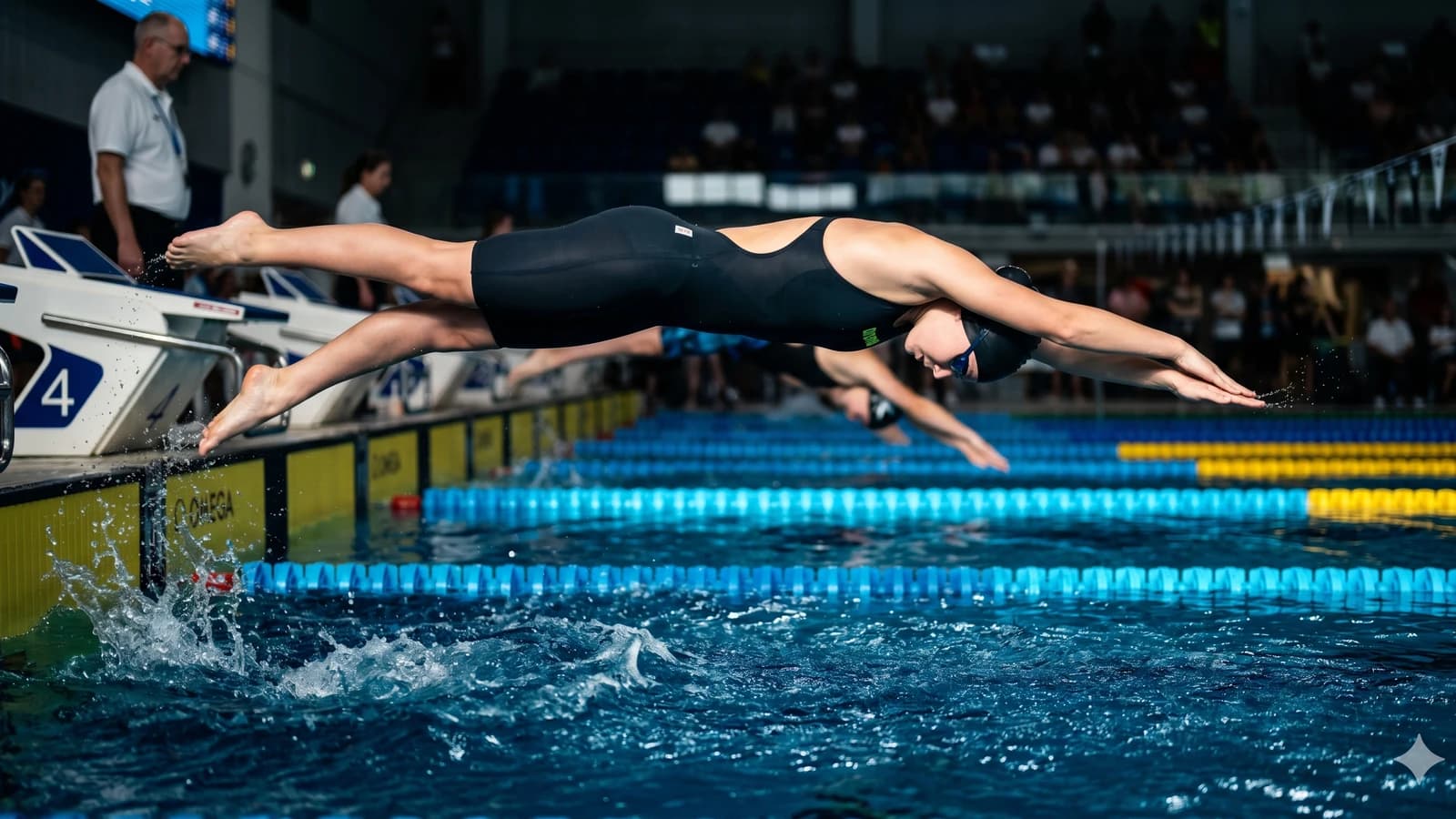
What looks like fading in the second 50 is often a slow first 50 in disguise. A real 14-year-old's 100 free, peer-cohort splits, and the diagnosis that flips practice.
Gophin Insights
Every split, meet, and training note in one place so athletes, coaches, and parents work from the same truth.
Explore categories
Tap to filter posts

What looks like fading in the second 50 is often a slow first 50 in disguise. A real 14-year-old's 100 free, peer-cohort splits, and the diagnosis that flips practice.
Fresh analysis

A ranking is a map, not a verdict. What a swim ranking actually tells you about your swimmer, what it does not, and how to use it without the pressure.

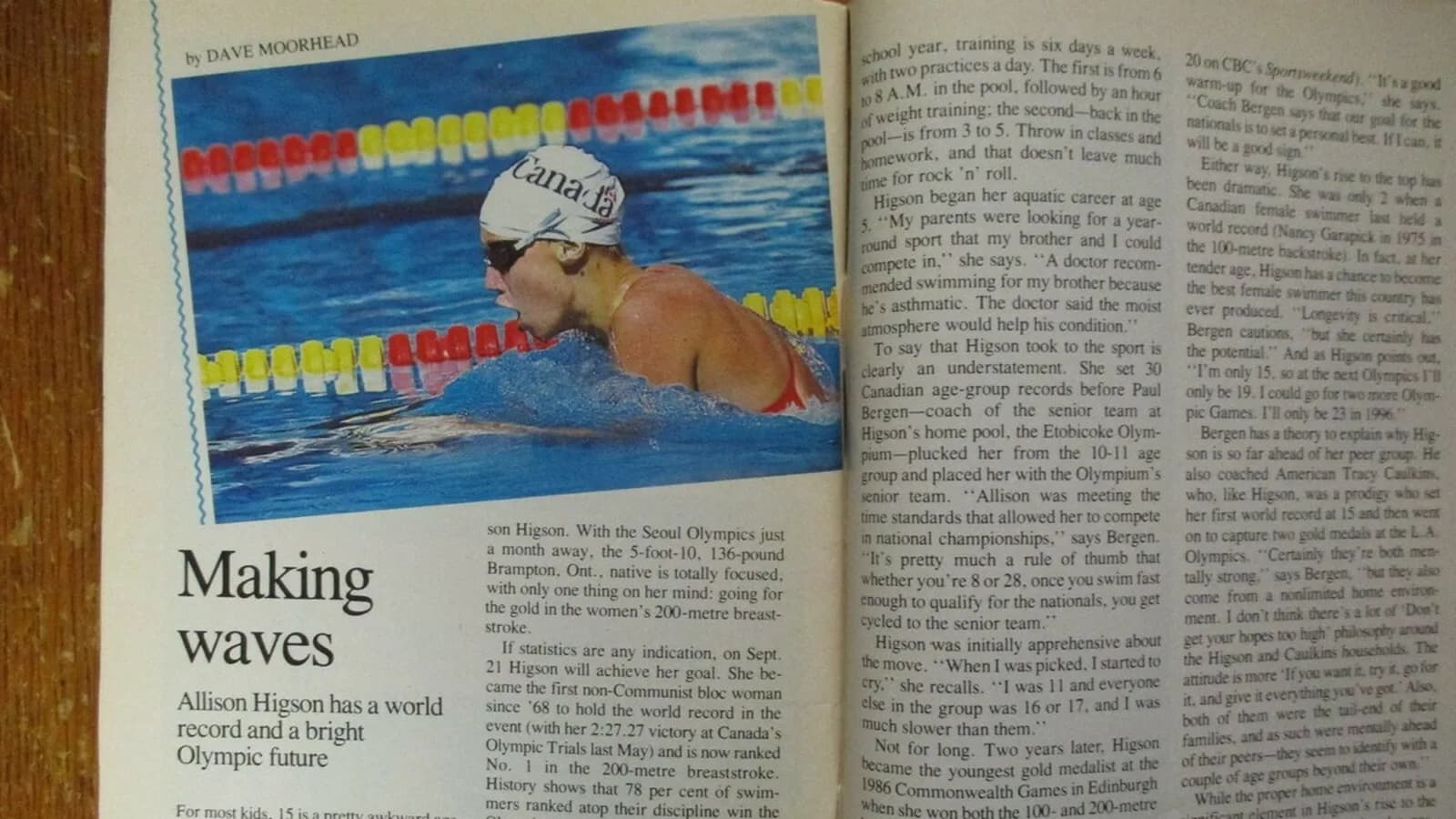
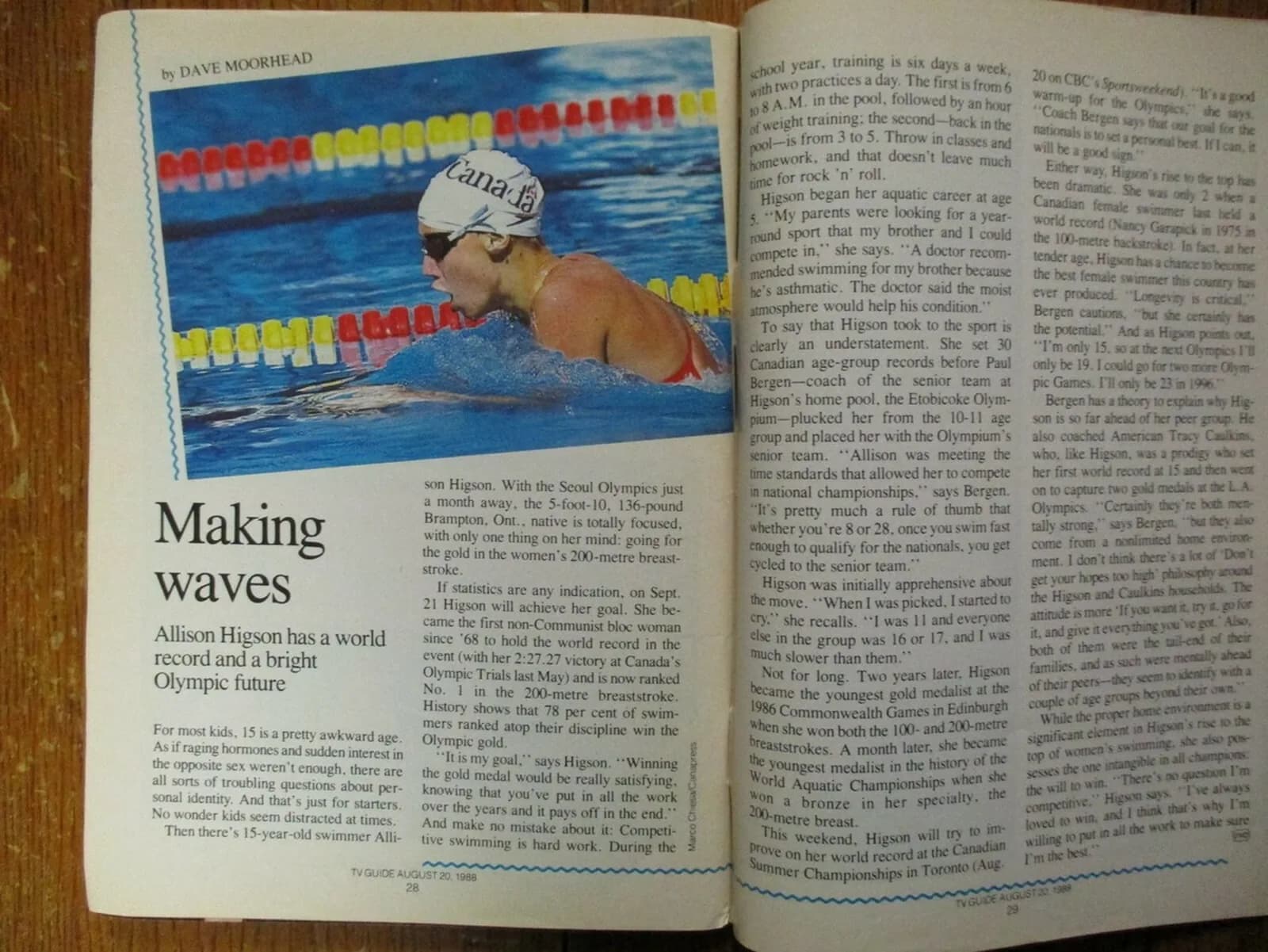
At 15 she broke a world record, then finished 7th at the Olympics. What Allison Higson's career teaches parents about tracking a young swimmer.

Make sense of where a swimmer ranks. Understand regional vs national lists, course length effects, World Aquatics points, and when rankings mislead.

SB or PB? Two numbers, same event, different time windows. Learn when each one matters and how to keep them straight without a spreadsheet.

What actually happens to your swimmer's body after a championship meet, and how to help them recover in 24, 48, and 72 hours without overdoing it.

Your swimmer is training less and feels more tired. That is the taper. A plain-language guide to what it is, why it works, and how to support it.

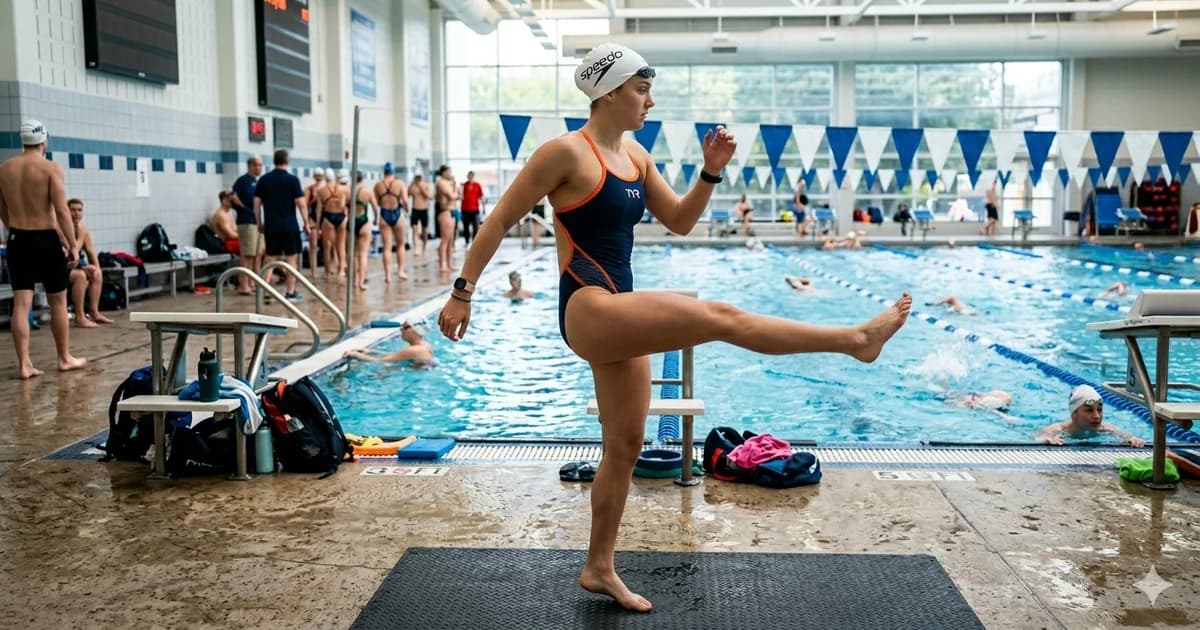
A step-by-step swim meet warmup protocol: dryland, pool, race-pace activation, timing, and the most common mistakes swimmers make.

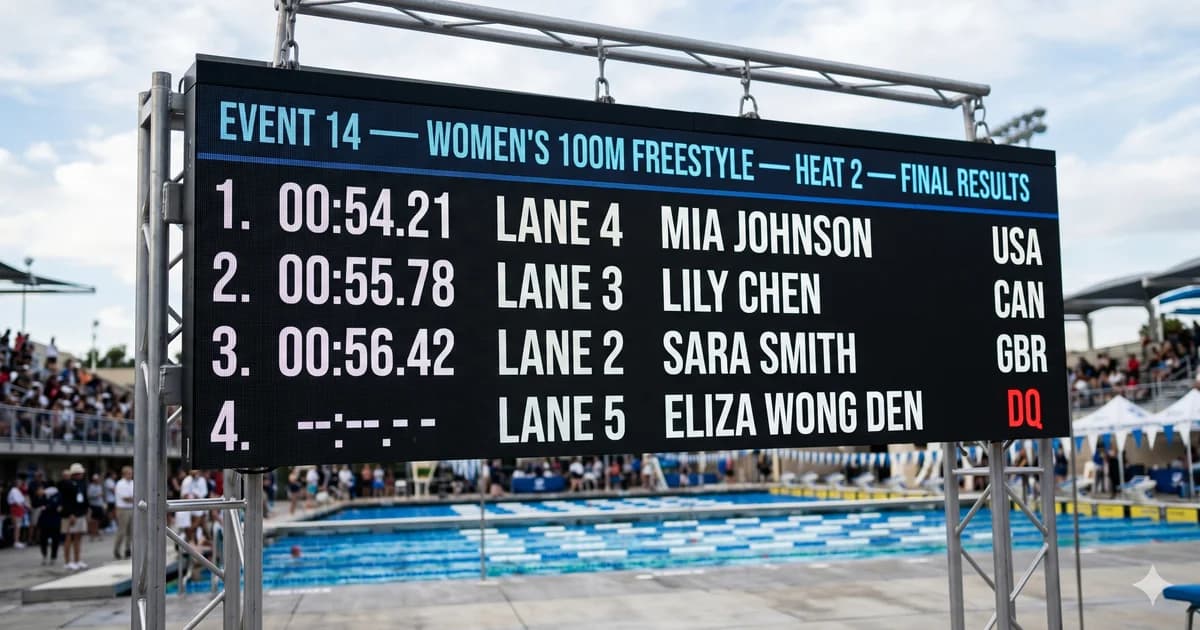
Why swimmers get disqualified by stroke, the rules that trip up most racers, and how to recover from a DQ without losing the season.

What is a psych sheet, how is it different from a heat sheet, and what should you actually do with it before a swim meet? Plain-English breakdown.

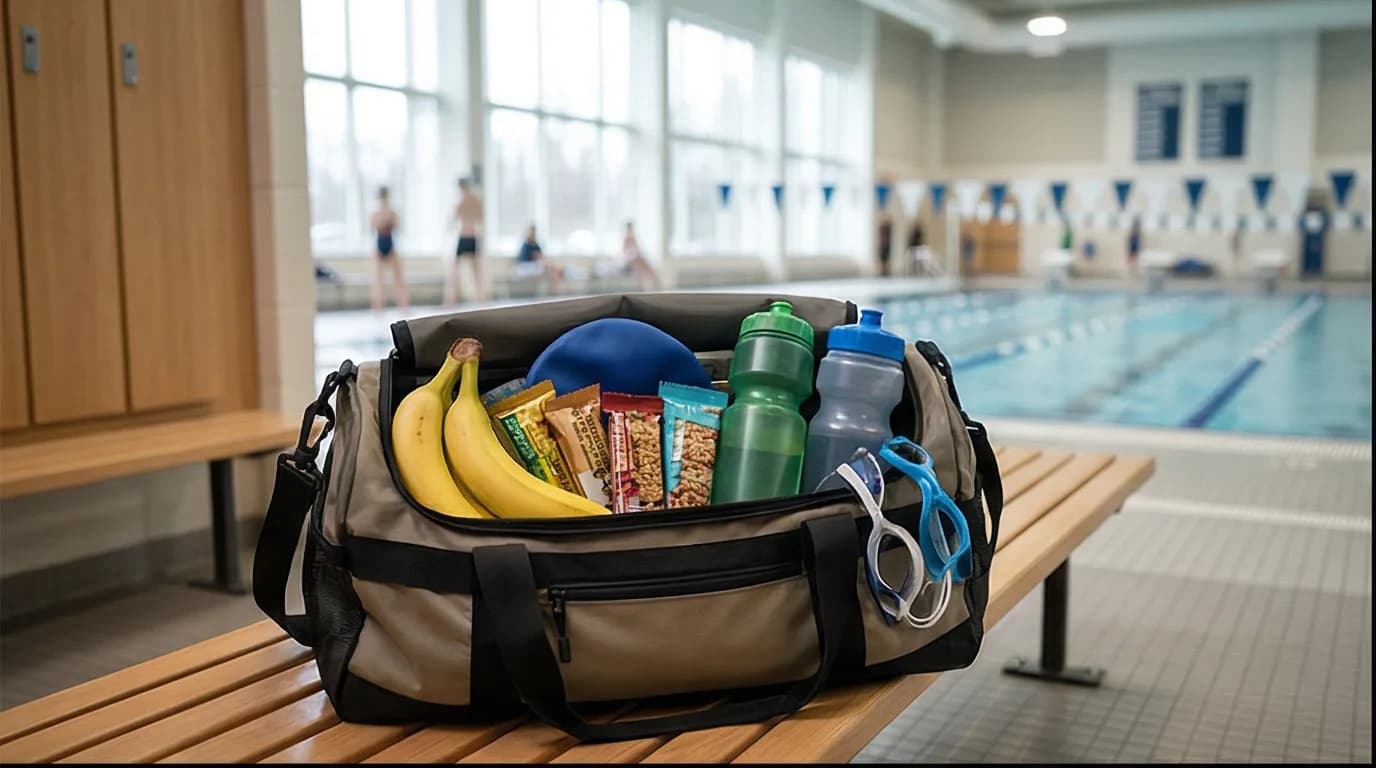
A real packing list for an all-day swim meet, from a parent who has forgotten goggles, snacks, and once a swimsuit. Save it before the next meet.

The 2026 Bell Canadian Swimming Trials run July 5-9 in Montreal. Here is what is at stake, what to watch, and how to follow every result.

Swimmer's shoulder is the most common injury in age group swimming. Here are the early signs, the real risk factors, and how to prevent it.

Why young swimmers often plateau or slow down during growth spurts, what the research actually shows, and how to talk to your swimmer about it.

The 2026 Speedo Junior National Championships run August 3-7 in Irvine, CA. Here is the format, the standards, and how to follow every result.

Loose times do not show progress. Learn how to compare swim seasons in Gophin to spot real improvement, plateaus, and your best stretches.

Learn the best ways to track competitive swim times, from spreadsheets to auto-sync apps. Find and organize every PB and meet result easily.

Set up your Gophin account in minutes. Find your swimmer, view best times, explore meet results, and start tracking progress right away.

Is your swim time good for your age? Compare against official B, BB, A, AA time standards by age group and see exactly where you stand.

Confused by swim meet results? This plain-English guide explains times, splits, DQs, and what it all means for your child's swimming progress.

A call to bring clarity, consistency, and sustainable evolution to swimming through data that inspires action.
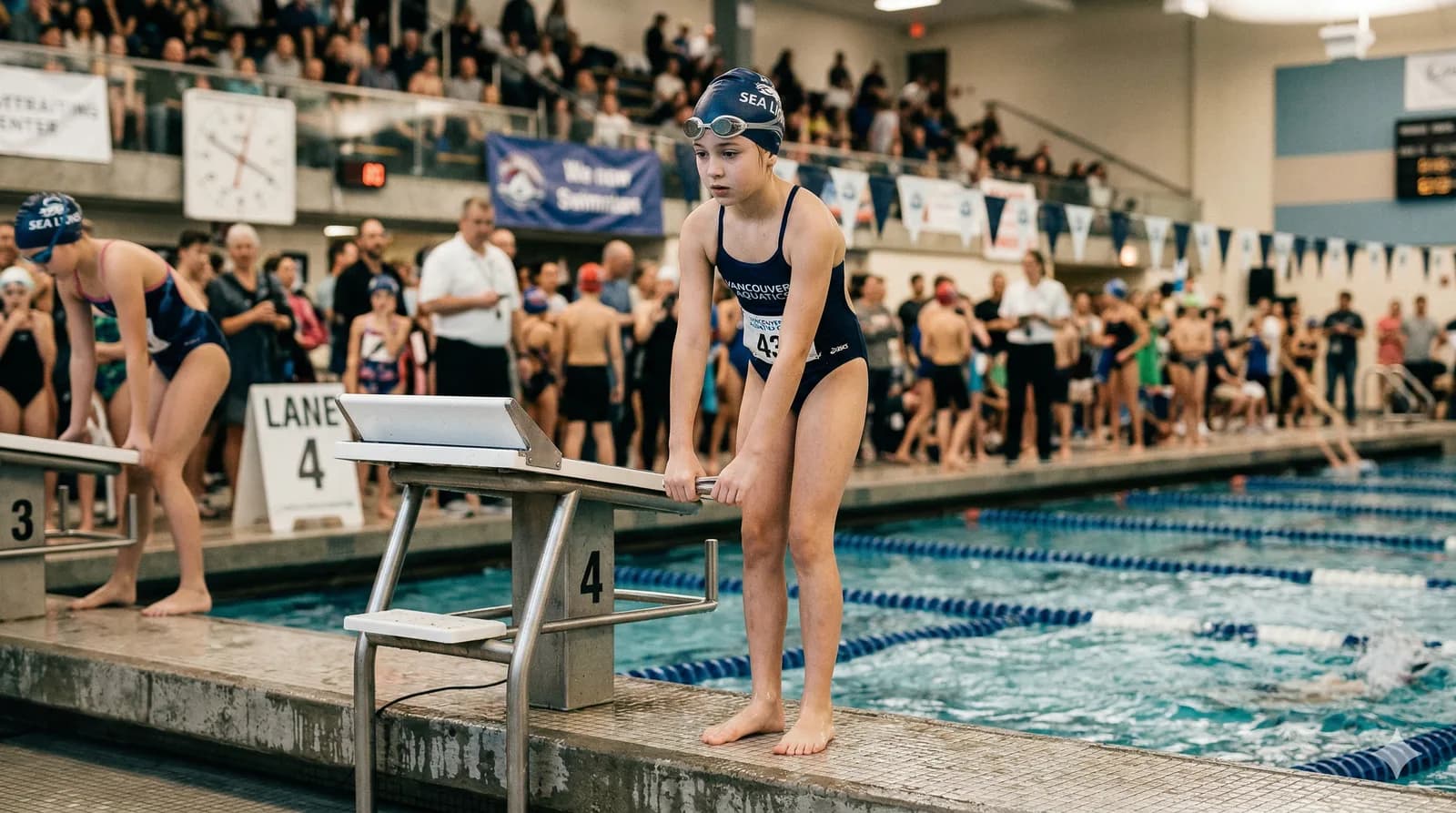
When evolution is uncertain and comparisons are unfair, stress spikes. Organized data keeps swimmers and families grounded.
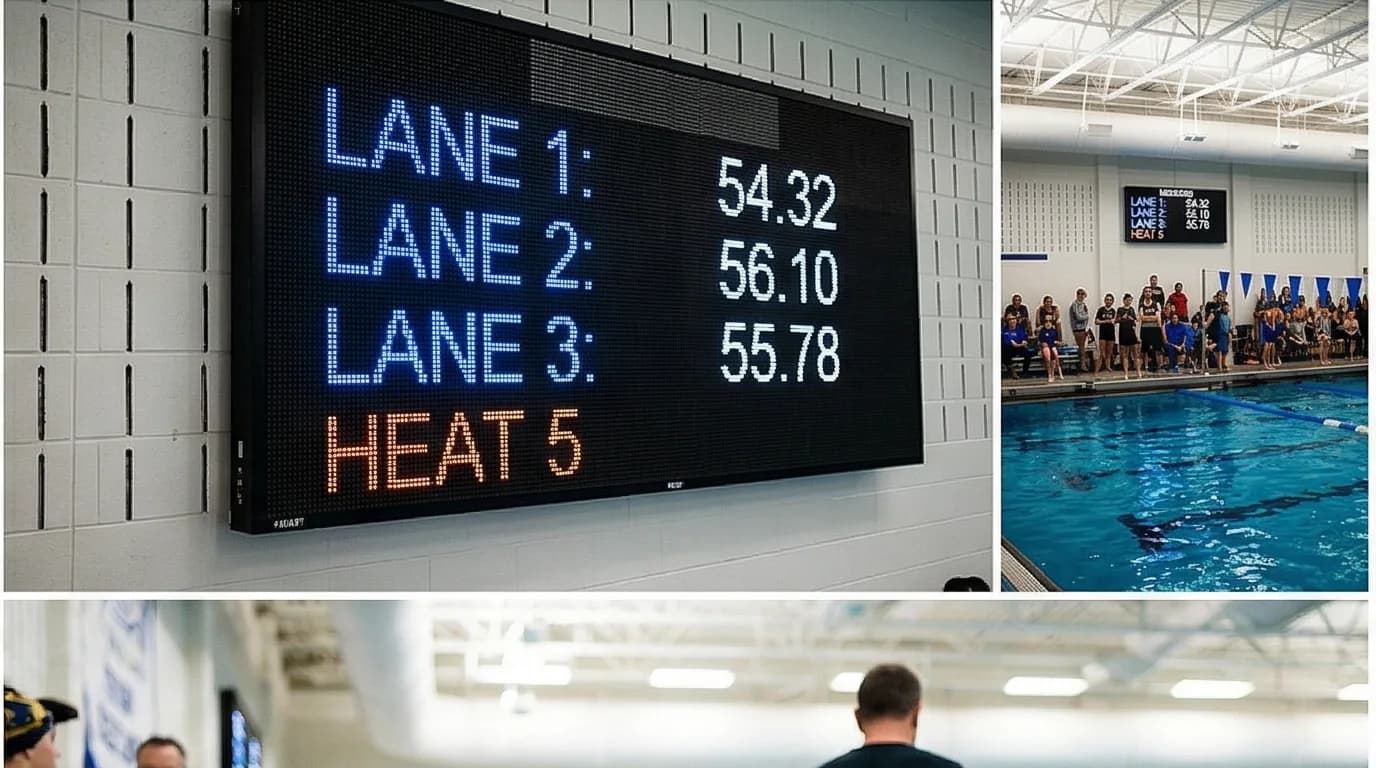
Gradual growth, contextual comparisons, and reliable history guide the jump from local finals to national podiums.

Spot patterns, track evolution, and communicate clearly with families using accessible performance insights.

Understand the difference between results and growth, why patience matters, and how organized data keeps the journey healthy.

Collecting splits, notes, and context from the start teaches athletes, parents, and coaches how progress really happens.

Age, training phase, and event type can flip narratives. Use the right benchmarks to avoid misleading conclusions.

Performance swings are normal. Track the entire season to understand planned peaks and consistency that truly signal evolution.

Static leaderboards ignore training cycles, maturation, and the nuances of each event. Learn how layered data reveals real progress.

Clear age brackets, cyclical planning, and centralized data guide coaches, parents, and swimmers through years of development without losing the bigger picture.

Swimmers evolve faster when every race is captured, contextualized, and turned into a clear narrative. Here is how the Track. Compare. Improve. mindset works in practice.

Two swimming tools for different jobs: meet tracking vs practice planning. Side by side comparison covering features, pricing, and which fits your workflow.
Five swim apps plus the DIY spreadsheet route, compared for parents and swimmers tracking competitive times in 2026. What each does best and which fits your routine.

Can't find your child's swim times from last season? Learn where old meet results go and how to get every time back in one place, for free.

Understand the full USA Swimming standards system, from B times to Olympic Trials cuts. Learn how motivational standards, sectionals, and age groups work.

Navigate the Canadian swimming standards system, from provincial qualifying times to national championships. A clear guide for swimmers, parents, and coaches.

Learn what World Aquatics Points are, how they're calculated, and use our free calculator to find your score for any swim time.

Convert swim times between short course meters, long course meters, and short course yards instantly with our free calculator.

Step-by-step tutorial: use Gophin's Compare Standards feature to see exactly where you stand against 38+ official standards organizations.

Everything you need to know before your child's first swim meet, what to bring, how heat sheets work, and how to actually enjoy the day.

The complete guide to swimming time standards in Canada and the USA, how they work, where they come from, and why they matter for every swimmer.

The line between support and pressure is thinner than you think. Here's how to stay on the right side.

42% of college swimmers feel scared before big races. If your child gets nervous, they're in good company. Here's how to help.

A Stanford study found swimmers who slept 10 hours improved sprint times by 0.51 seconds. Here's what your family needs to know about sleep.

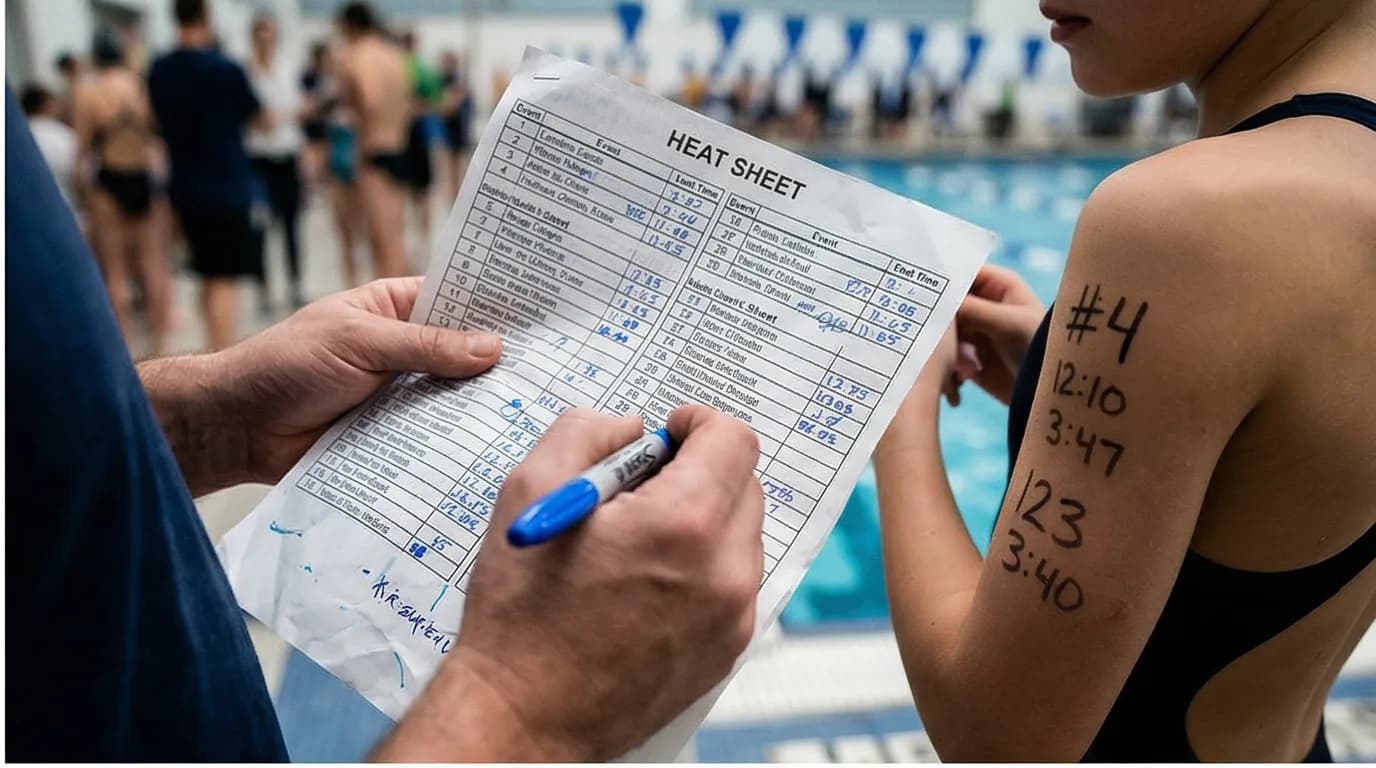
Heat sheets look like a spreadsheet had a panic attack. Here's how to decode them in five minutes.

There's no single answer, but standards give you a framework. Here's how to put your child's times in context.

Timing, carbs, hydration, and the golden rule: never try new food on race day. A practical nutrition guide for swim families.

Your first instinct after a tough race is to fix it. But the best response is simpler than you think: 'I love watching you swim.'

Goal setting, resilience, time management, and five more skills that follow your child far beyond the pool deck.

Research shows your anxiety directly impacts your child's performance. Here's how to manage your own stress at swim meets.

Times scattered across websites, meet results in PDFs, PBs in your head. There's a better way to track your swimmer's journey.

70% of kids drop out of organized sports by age 13. Here are the warning signs and what you can do before it's too late.

After age 13, improvement drops to 1-2% per year. Plateaus aren't failure, they're biology. Here's how to keep going.

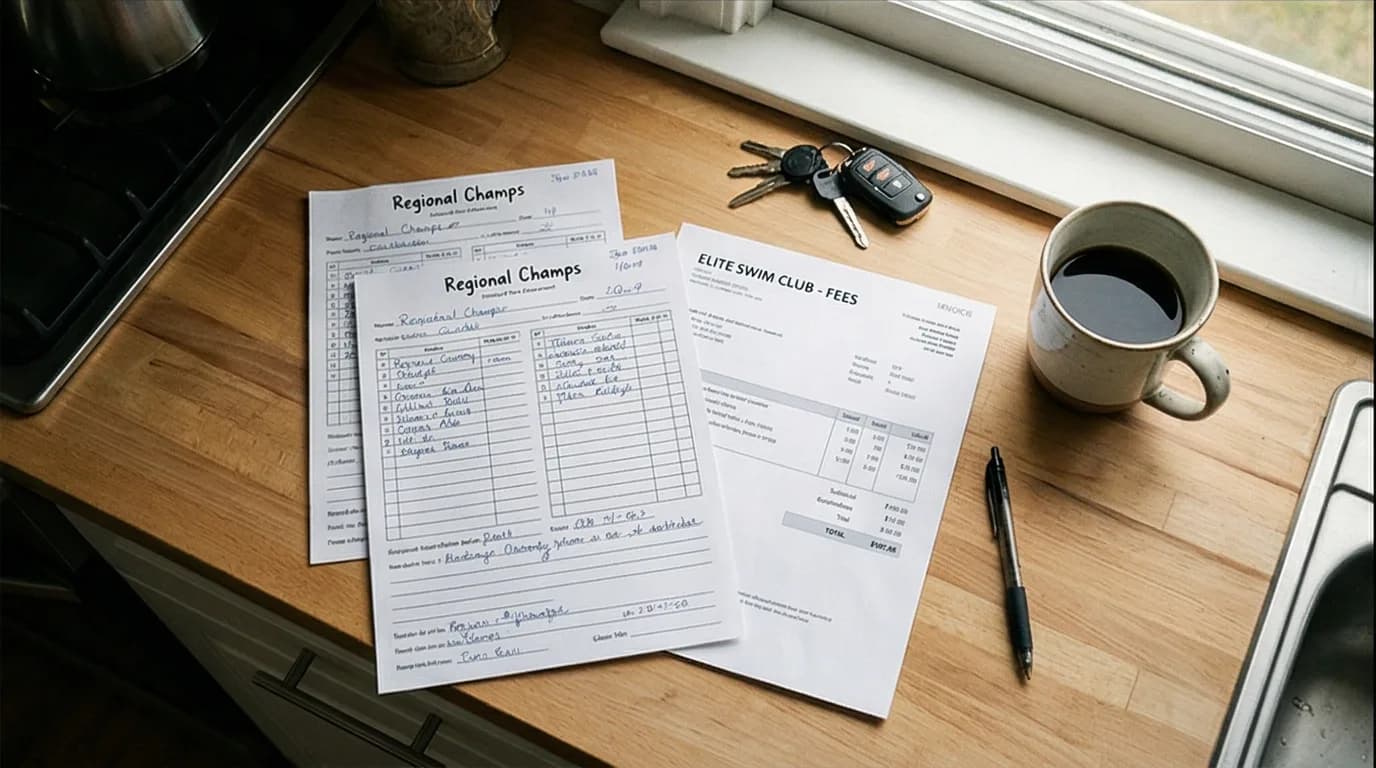
Club fees, meet entries, gas money, hotel rooms. We break down what competitive swimming really costs, and why families keep saying yes.

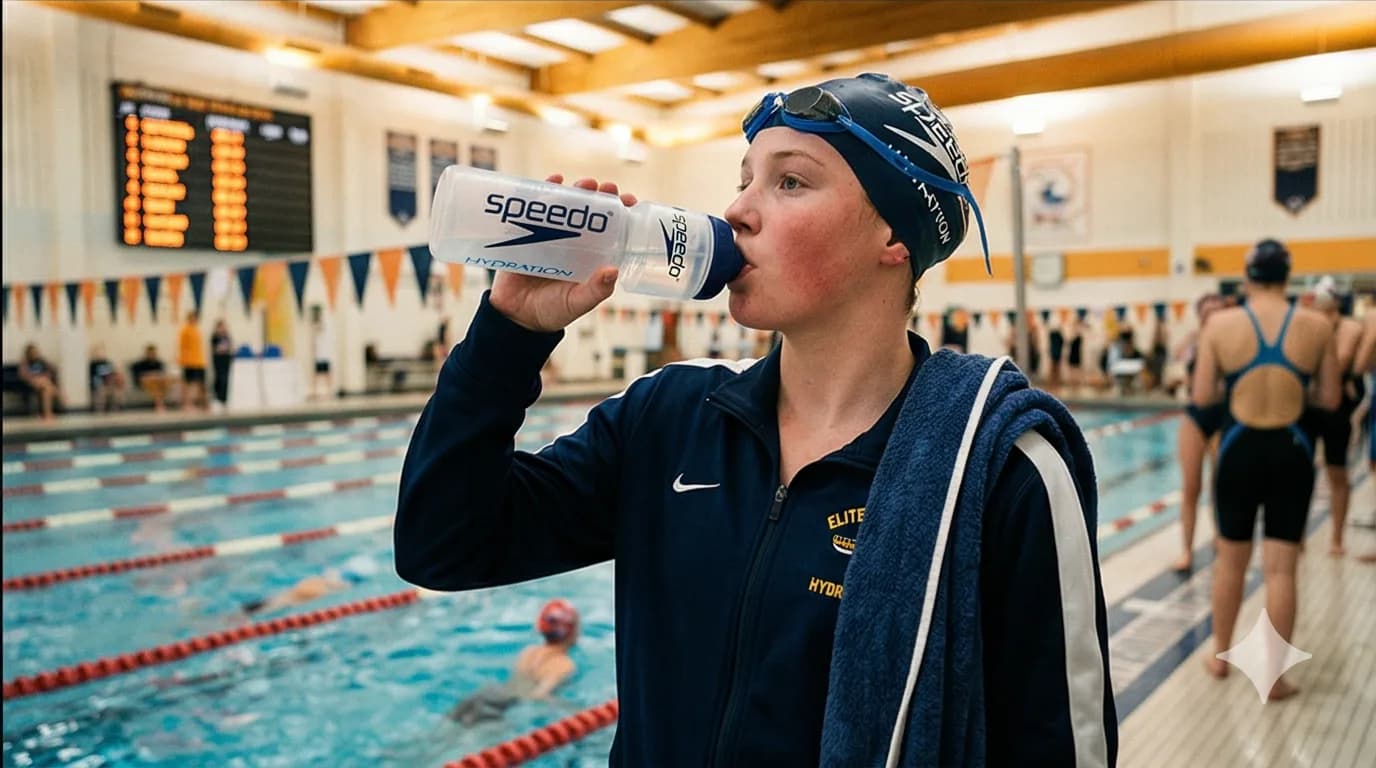
89.8% of young athletes start training dehydrated. Yes, even in the water. Here's how to fix that.

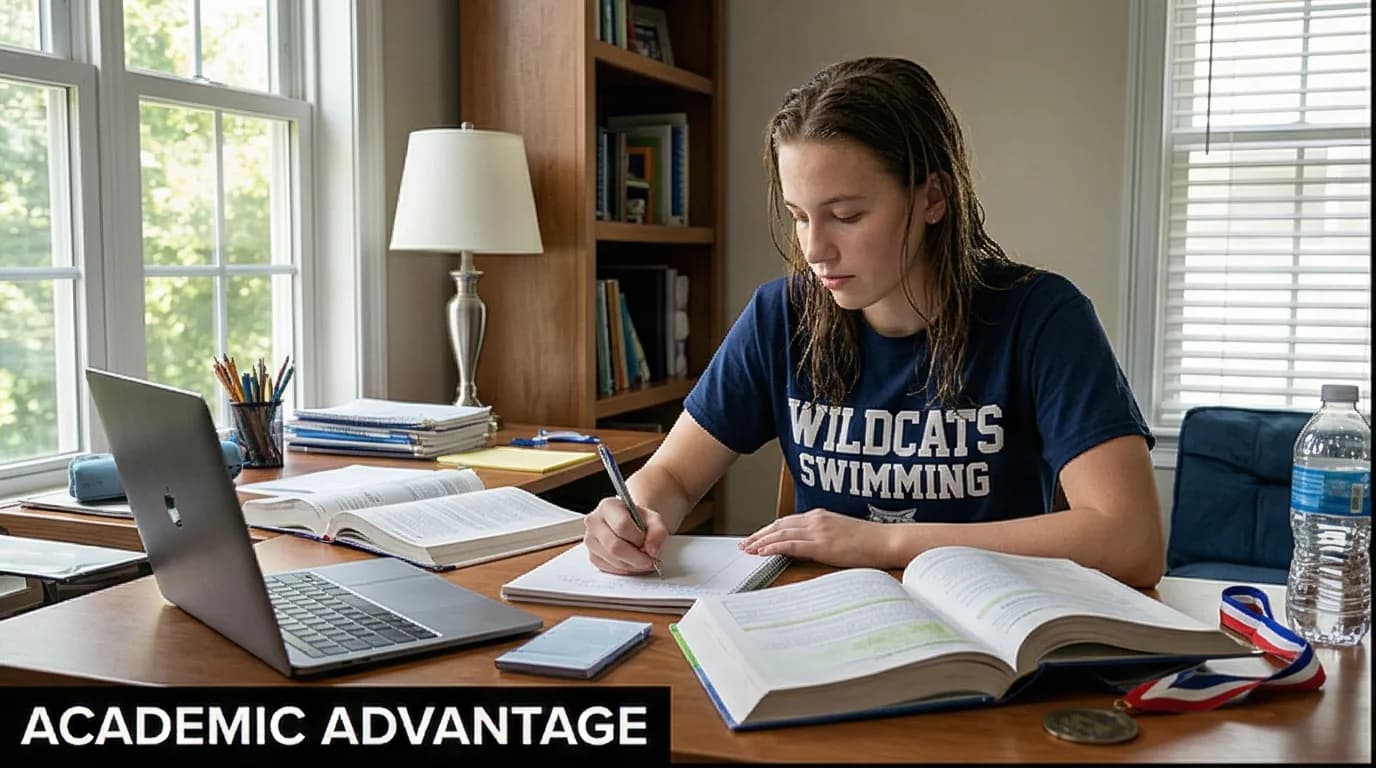
A Griffith University study of 7,000+ kids found swimmers were up to 20 months ahead academically. The pool teaches more than strokes.

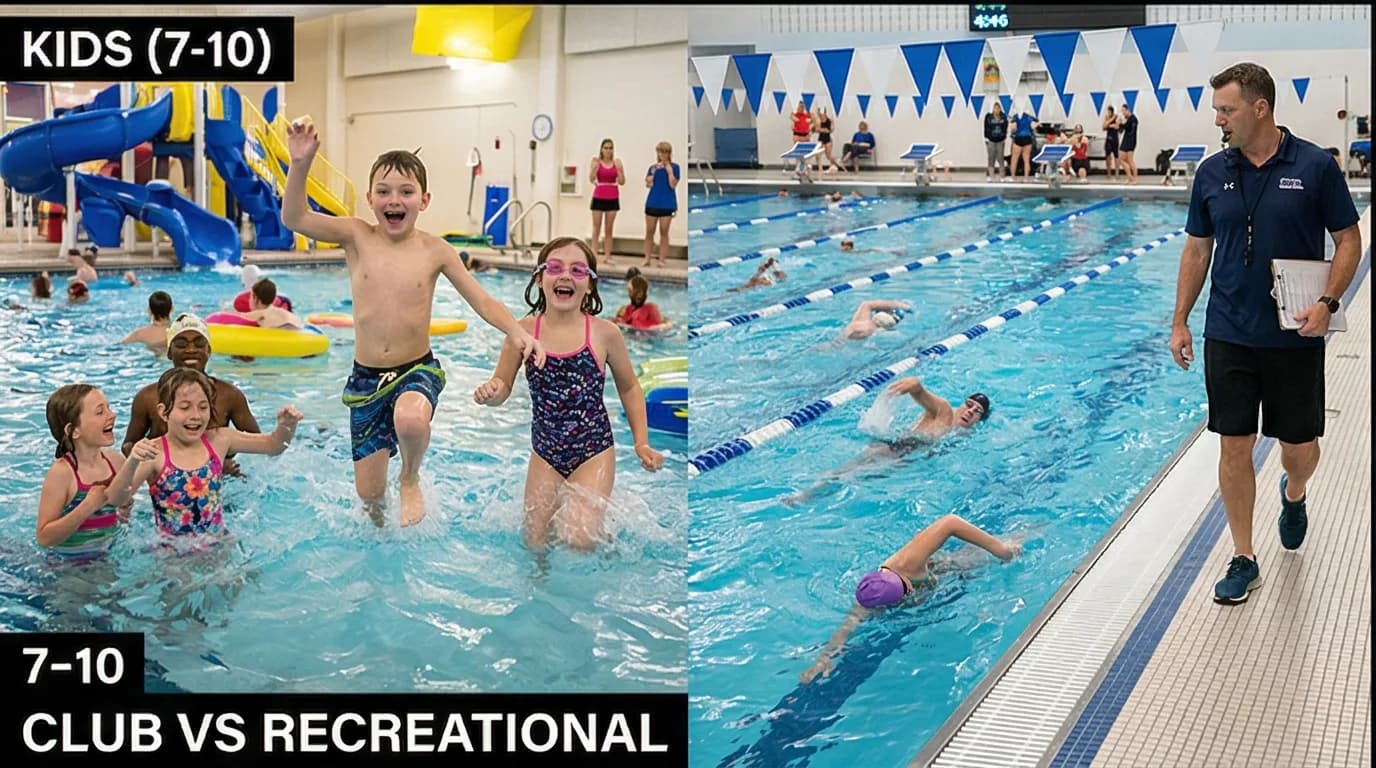
Your child loves the water. But is club swimming the right move? Here's how to know when they're ready, and what to expect.

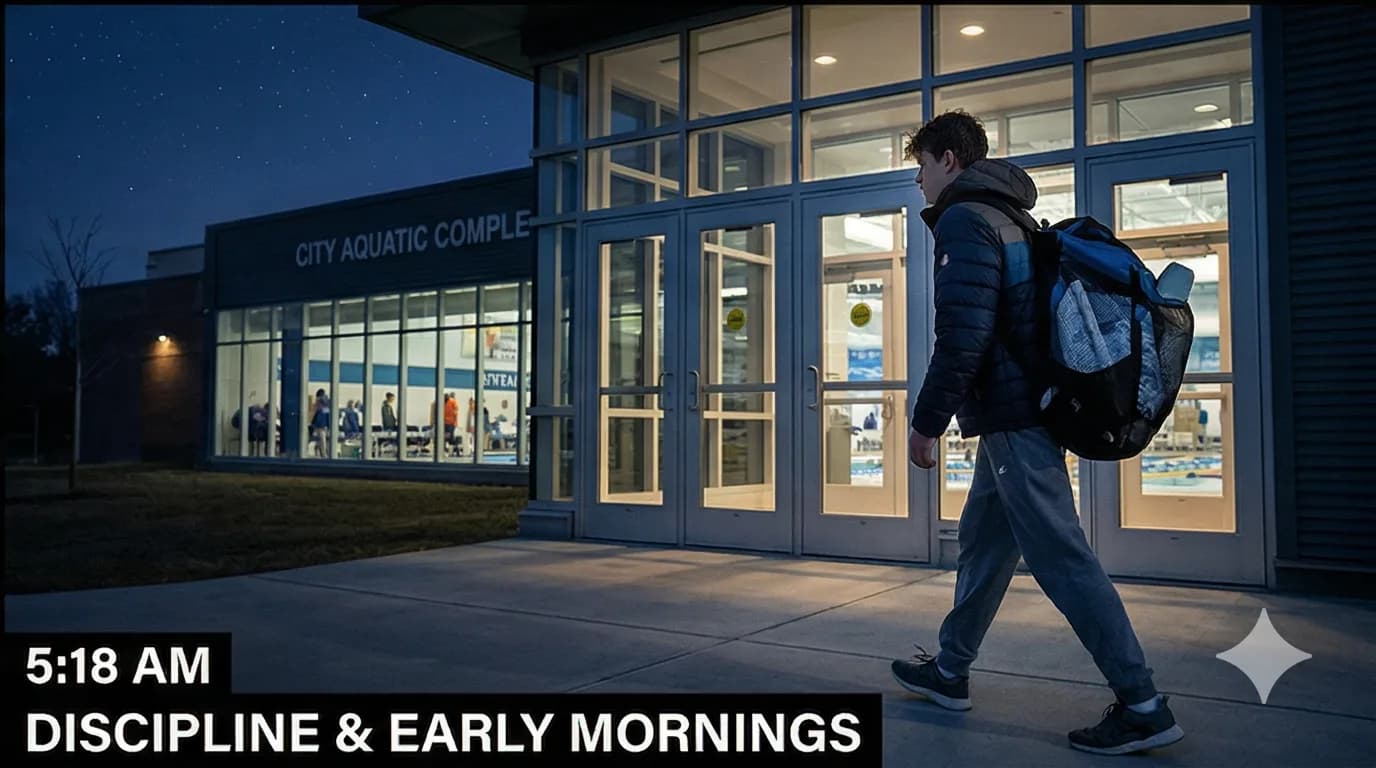
Showing up at 5 AM, finishing sets you hate, getting back in after a bad race. The discipline swimmers build follows them everywhere.

The alarm at 4:45 AM. Breakfast in the dark. Empty streets. Here's how swim families make early mornings work, and why it's worth it.

Water safety, zero joint impact, full-body exercise, and no bench. Here's why swimming is the ideal starting sport for any child.

Why your child's 400 Free is faster in short course. Courses, conversions, and what it means for standards and progress tracking.

Allison Higson's 1988 World Record at 15 and Halle West's 2023 Canadian age group record at 14 show parents how age group progress really works, and how the standards system gives real benchmarks for your kid.
Step-by-step guides to get the most out of Gophin.
Open category →Understand meets, track progress, and support your swimmer.
Open category →Honest reviews of swim tracking apps and tools.
Open category →Standards guides, qualifying times, and competitive structure.
Open category →Dashboards, meet exports, and clarity for every split.
Open category →Microcycles, feedback loops, and smarter stroke decisions.
Open category →Managing anxiety, building confidence, and growing together.
Open category →